Choosing a new hometown is a big decision. You want more space, dependable amenities, and a realistic commute without giving up a friendly, small‑town feel. If Midlothian is on your shortlist, you’re in the right place. In this guide, you’ll get a clear look at housing, commute times, parks, dining, schools, and everyday life so you can decide if it fits your plans. Let’s dive in.
Where Midlothian fits in DFW
Location and access
Midlothian sits in northwest Ellis County along U.S. Highway 67 and U.S. Highway 287, which connect you across the Dallas–Fort Worth metroplex. Those corridors explain the city’s steady housing growth and the presence of industrial and distribution employers. The setup makes it practical to live on quieter streets while commuting to jobs across the region. You’ll feel the balance of suburban calm with big‑city access throughout daily life.
Population and growth
Midlothian counted 35,125 residents in the 2020 U.S. Census, and the city has continued to grow. Regional estimates place the population near 41,083 as of January 1, 2024, reflecting the area’s fast‑rising profile for new residents. This growth follows a familiar DFW pattern: strong transportation access and incoming employers supporting new neighborhoods and services.
- Source: Census QuickFacts for Midlothian
- Regional estimate: NCTCOG population estimates
Commute expectations
A recent American Community Survey estimate lists Midlothian’s mean travel time to work at about 31.8 minutes. In practice, you should plan for roughly 30 to 50 minutes depending on your destination and rush‑hour traffic. Most residents drive to work, since public transit options are limited from this auto‑oriented suburb. If you’re seeking more house and yard, that tradeoff usually feels worth it.
Housing and neighborhoods
What you’ll find
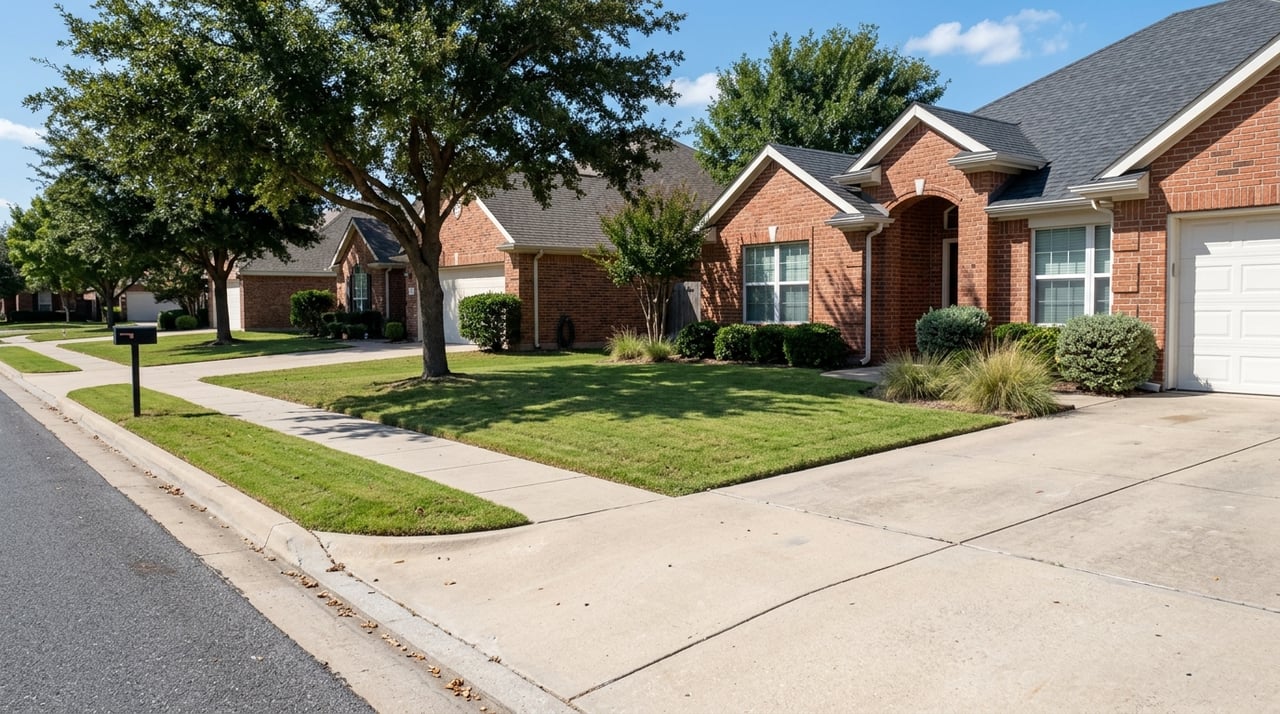
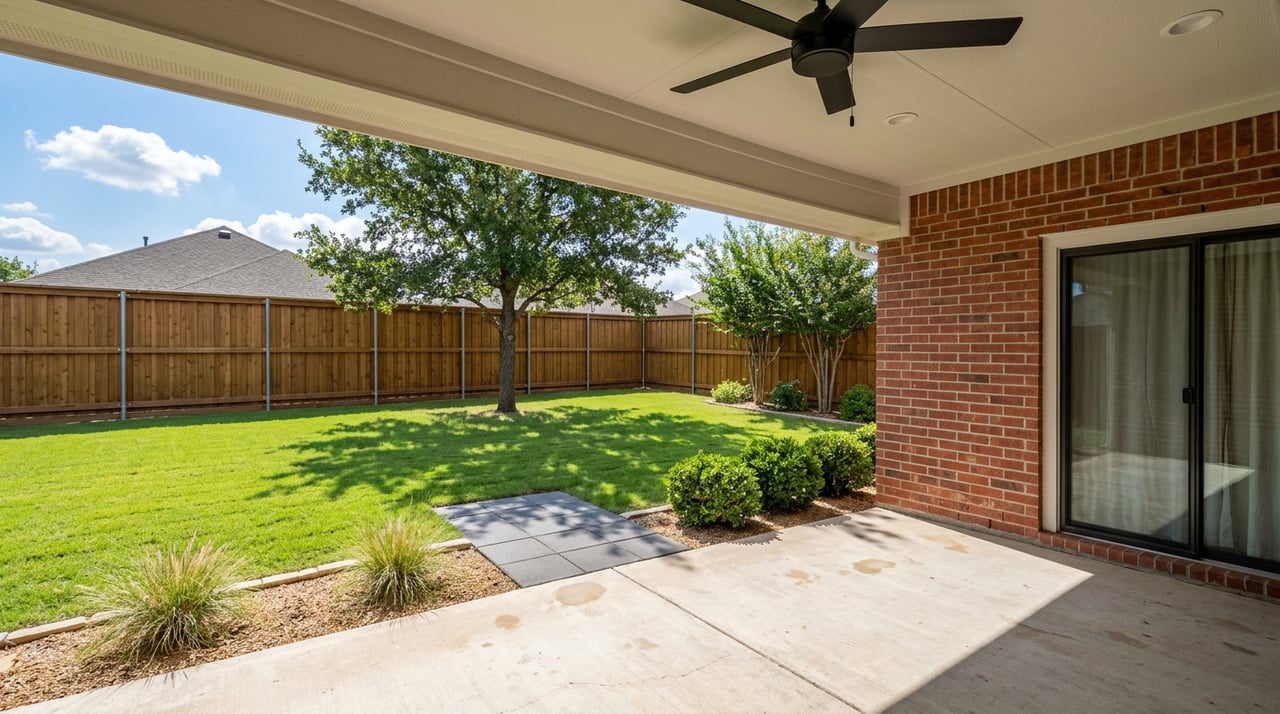
Housing in Midlothian is dominated by detached single‑family homes, and the owner‑occupancy rate is high at about 79 percent. You’ll see a mix of established subdivisions and newer master‑planned communities, along with acreage or ranch‑style properties on the outskirts. Attached townhomes are less common here than in inner‑ring suburbs closer to downtown Dallas.
New construction and lots
Newer neighborhoods tend to offer larger lots, two‑ or three‑car garages, and community amenities like pools, trails, and dog parks. Builders active in the area market homes across a broad range, with pricing influenced by lot size, finishes, and neighborhood features. If you’re considering a new build, expect HOA documents, warranty details, and possible MUD or PID assessments to be part of your review.
Prices at a glance
Market trackers often show a typical home value in the low‑to‑mid $400s, while the multi‑year American Community Survey median owner‑occupied value is lower due to its longer baseline. The gap is normal and reflects how newer sales and recent construction push values ahead of older estimates. Use both figures to understand the long‑term baseline and the current market snapshot.
Neighborhood tradeoffs
- Historic core near Main Street: tighter lots, a walkable small‑town setting, and quick access to local dining and events.
- Newer subdivisions: larger lots, modern floor plans, and planned amenities, usually with a short drive to shopping along the highway corridors.
Your best fit depends on whether you value vintage charm and a compact setting or modern layouts with neighborhood amenities.
Daily life made easy
Groceries and errands
Everyday shopping is straightforward, with retail and restaurants clustered along the Highway 287 and Highway 67 corridors and in central retail nodes. You’ll find national grocers and a variety of big‑box options to cover weekly errands. For specialty retail or a wider selection, nearby larger suburbs offer easy add‑on trips.
Healthcare access
Methodist Midlothian Medical Center serves as the community’s main hospital, which is a key convenience for families and older buyers. For specialty or tertiary care, residents often use larger health systems across DFW. Having a local acute‑care option helps simplify last‑minute needs and routine visits.
- Hospital: Methodist Midlothian Medical Center
Getting around
Midlothian is built around driving. Most neighborhoods feed into major corridors for quick access to jobs, retail, and regional connections. If your routine includes cross‑metro travel, plan your routes with rush‑hour windows in mind and consider flexible schedules when possible. The upside is more space at home and quick access to parks and nearby lakes on weekends.
Parks, trails, and weekend fun
City parks highlights
Midlothian’s park system is a standout for an active, family‑friendly lifestyle. The 105‑acre Midlothian Community Park features multiple sports fields, trails, a splash pad, an amphitheater, an inclusive playground, and a fishing pond. You’ll also find neighborhood parks, a dog park, and natural areas that make it easy to get outside without a long drive.
- Explore: Midlothian Community Park
Lakes and day trips
Joe Pool Lake and Cedar Hill State Park are popular for boating, fishing, and hiking. Many residents use these spots for quick day trips, picnics, and summer weekends. It’s a convenient way to add water and trails to your routine.
- Nearby: Joe Pool Lake overview
Downtown and local events
Historic downtown is compact and welcoming, with boutiques, eateries, and seasonal events anchored around Main Street. The city maintains a current list of downtown businesses, which makes it easy to plan a dinner or weekend stroll. On Saturdays in season, the open‑air Midlothian Market brings local vendors to Heritage Park for produce, crafts, and community time.
- Downtown guide: City retail list
- Weekend pick: Midlothian Market
Dining and hangouts
You can expect a mix of barbecue, pizza, Tex‑Mex and American fare, plus coffee and tap houses that feel distinctly local. Downtown’s small‑business lineup captures that neighborhood energy. It’s an easy place to meet friends or treat the family after a game.
Jobs and the local economy
Midlothian’s economy blends legacy heavy industry with modern manufacturing, warehousing, and distribution. Employers include steel and cement plants, major distribution centers, and food‑manufacturing facilities. That mix supports a variety of blue‑collar and logistics roles close to home while many professionals commute across DFW.
- Overview: City workforce and employers
Is Midlothian a fit for you?
You may feel at home in Midlothian if you want:
- Newer single‑family neighborhoods with room to grow.
- A quieter setting with parks, trails, and family‑friendly amenities.
- A realistic commute by car to Dallas, Fort Worth, or nearby job hubs.
You may prefer another suburb if you need:
- Frequent public transit access to downtown job centers.
- A short walk to dense, urban retail and entertainment.
The key is balancing the space and value you gain here with the commute you expect daily.
What to check before you buy
- School attendance boundaries. Midlothian ISD is the primary district. Confirm current campus assignments and review district resources, including the latest accountability updates. See the district’s recent summary of its accountability rating changes for context. Midlothian ISD accountability update
- Builder and HOA details. For new construction, review warranties, build timelines, HOA rules, and any special districts like MUDs or PIDs that affect your monthly costs.
- Property taxes. Tax rates vary by overlapping jurisdictions. Review the city’s ACFR for historical direct and overlapping rates, and verify current figures with the Ellis Central Appraisal District before you finalize a purchase. City ACFR tax rate tables
- Commute routing. Use the ACS mean of 31.8 minutes as a planning anchor, then test‑drive your route during rush hour to confirm your personal time frame. Census QuickFacts
Ready to explore homes?
If you’re weighing neighborhoods, comparing new‑build options, or mapping your commute, you don’t have to do it alone. Get local, step‑by‑step guidance tailored to your goals. Schedule a free consultation with Amanda Beames to talk through timing, budget, and the best pockets to focus on.
FAQs
What is the commute from Midlothian to Dallas or Fort Worth?
- The American Community Survey lists a mean travel time of about 31.8 minutes, and many commutes run 30 to 50 minutes depending on destination and traffic. Census QuickFacts
What types of homes are common in Midlothian?
- Detached single‑family homes dominate, with a high owner‑occupancy rate and many newer subdivisions, plus acreage properties on the fringe. Census QuickFacts
How are schools organized in Midlothian?
- Most residents are zoned to Midlothian ISD; always confirm attendance boundaries and review district resources for current accountability information. District update
What parks and recreation options stand out?
- The 105‑acre Midlothian Community Park is a local highlight, and nearby Joe Pool Lake and Cedar Hill State Park add boating, fishing, and trails. Community Park | Joe Pool Lake
Are healthcare services available locally?
- Yes. Methodist Midlothian Medical Center provides local acute‑care services, with broader specialty options across the DFW region. Hospital profile