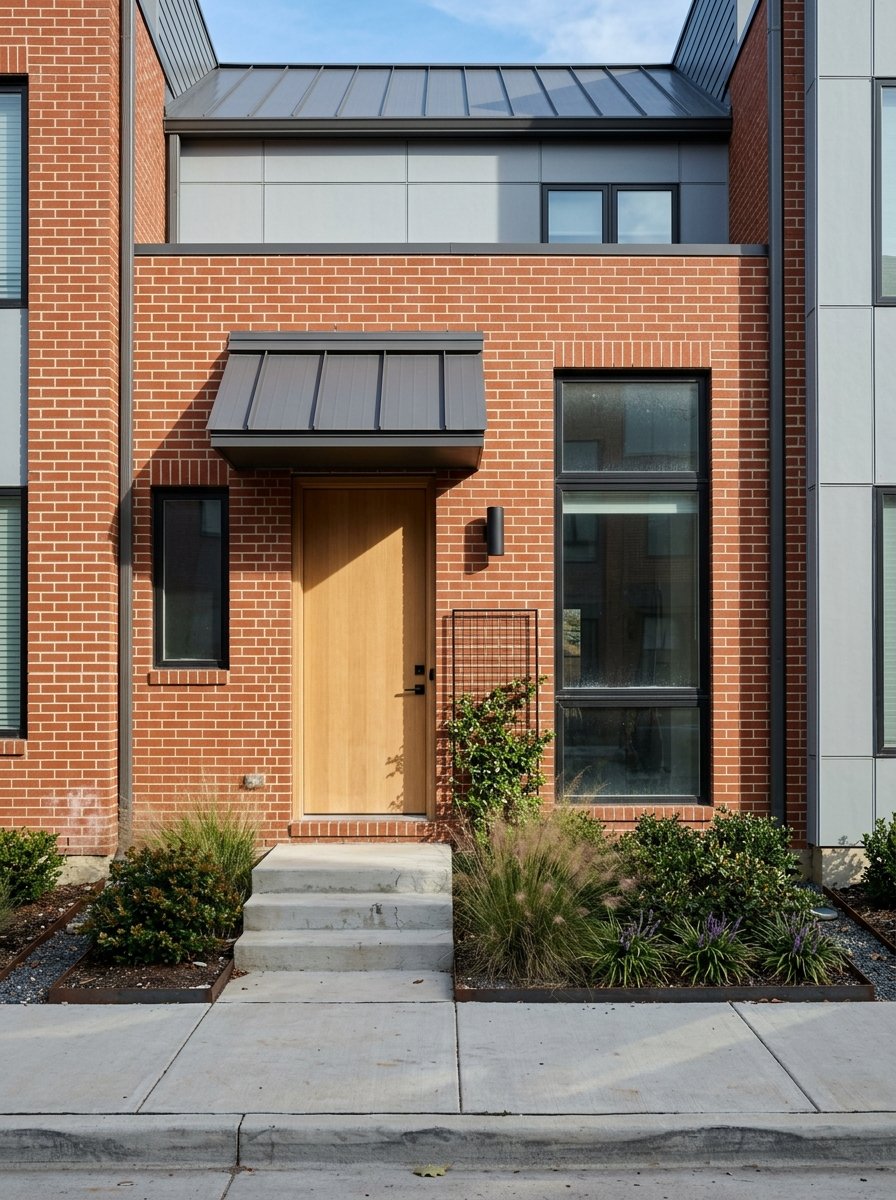
Choosing between downtown and suburban Fort Worth is not really about picking “better.” It is about choosing the version of daily life that fits you best. If you are trying to decide between walkable entertainment, condo convenience, and transit access versus more traditional neighborhoods, road-oriented routines, and neighborhood green space, this guide will help you compare the tradeoffs clearly. Let’s dive in.
Fort Worth Lifestyle Basics
Fort Worth is a large, spread-out city with an estimated 1,008,106 residents across 347.27 square miles, so where you live can shape your routine in a big way. According to the U.S. Census Bureau’s Fort Worth quick facts, the citywide mean travel time to work is 27.1 minutes.
That size matters because the downtown-versus-suburban choice in Fort Worth is usually less about city limits and more about how you want your days to feel. A 2023 community survey found that 94% of respondents usually drive alone to most destinations, which tells you Fort Worth still functions as a largely car-oriented city, even as some areas offer stronger alternatives.
Downtown Fort Worth Living
Downtown Fort Worth is the clearest fit if you want a more urban routine. It offers the city’s strongest mix of walkable destinations, transit connections, apartment and condo living, and easy access to restaurants, events, and entertainment.
The housing style downtown is different from much of the rest of Fort Worth. Downtown Fort Worth, Inc. highlights properties such as Deco 969, a 27-story mixed-use high-rise with 302 apartments, along with urban condos and apartment communities near Sundance Square.
What Downtown Housing Feels Like
If you picture high-rise apartments, condos, secured parking, and amenity-driven buildings, you are thinking in the right direction. Downtown options often prioritize convenience and location over lot size and private outdoor space.
For example, Deco 969 offers one- to three-bedroom apartments, rooftop-style amenities, and a secured parking garage, with published rents starting above $2,000 per month for newer premium inventory. That does not define every downtown option, but it shows the general product type you are likely to see in the urban core.
Downtown Transportation Perks
Downtown has the strongest case for a car-light lifestyle in Fort Worth. Fort Worth Central Station serves as the area’s main transit hub, with access to Trinity Metro buses, TEXRail, Trinity Railway Express, Amtrak, Greyhound, and other connections.
You also have local transit options that support everyday mobility. Trinity Metro’s Orange Line connects downtown and the Stockyards 7 days a week from 5 a.m. to 1 a.m., and the downtown Blue Line runs as a free bus service 7 days a week from 7 a.m. to 7 p.m. with frequent service.
Downtown Entertainment and Walkability
If you want your dining, events, and activities woven into daily life, downtown stands out. Fort Worth’s official tourism materials describe downtown as a connected urban setting centered around the 35-block Sundance Square district, where restaurants, shops, nightlife, theaters, and Bass Performance Hall are all part of the mix.
This is one of downtown’s biggest lifestyle advantages. Instead of planning every outing around a longer drive, you may be able to walk to dinner, live music, or nearby attractions depending on your building and routine.
Downtown Parking Tradeoffs
Parking is one of the most practical differences between downtown and suburban Fort Worth. The City of Fort Worth’s downtown parking page shows that paid parking is a normal part of downtown life, with rates that include $2 per hour at the Citizen Lot at City Hall, an $8 daily maximum there, garage pricing that can run up to $24 per day, and monthly parking options.
That does not mean downtown is inconvenient for everyone. It means you should go into the decision with realistic expectations about meters, garage fees, and regulated parking instead of assuming parking will feel the same as it does in more residential parts of the city.
Suburban Fort Worth Living
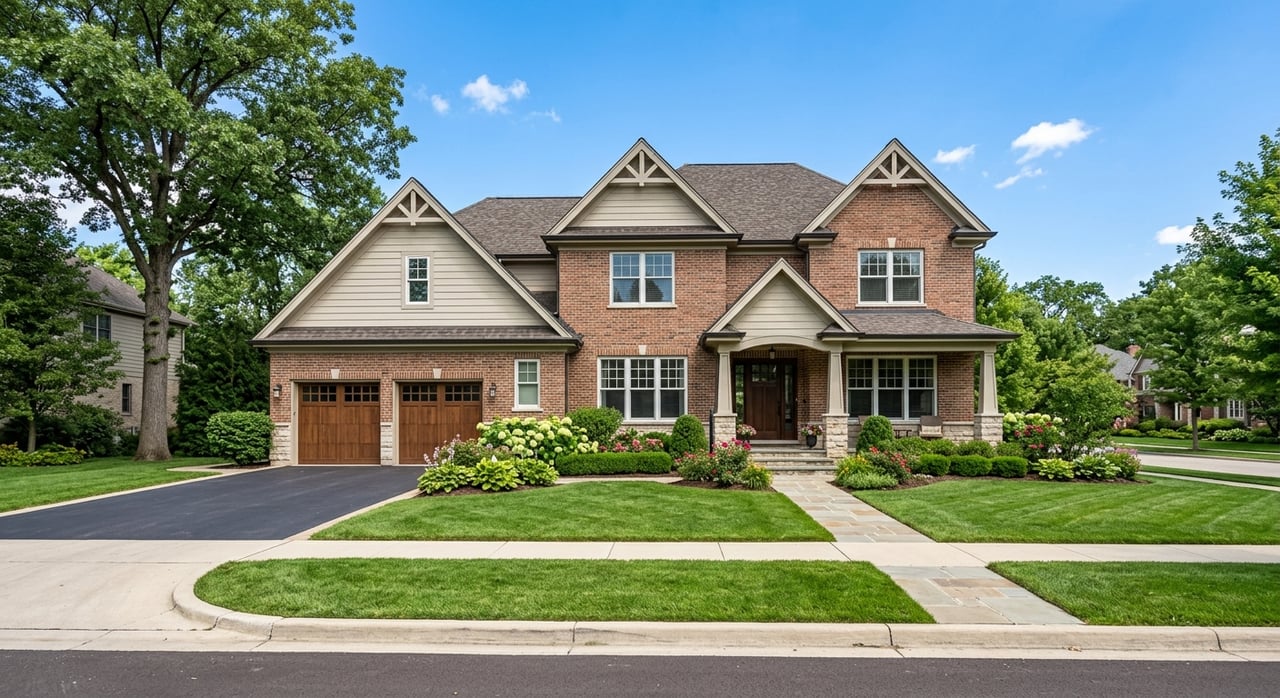
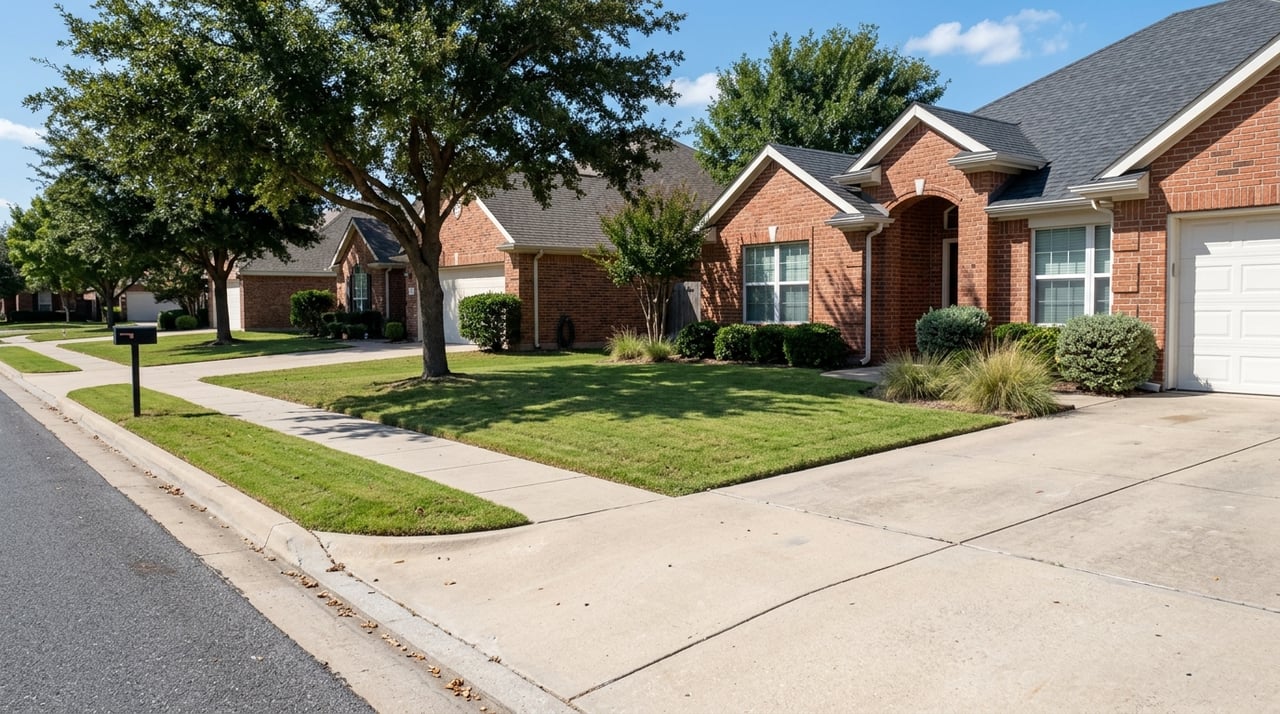
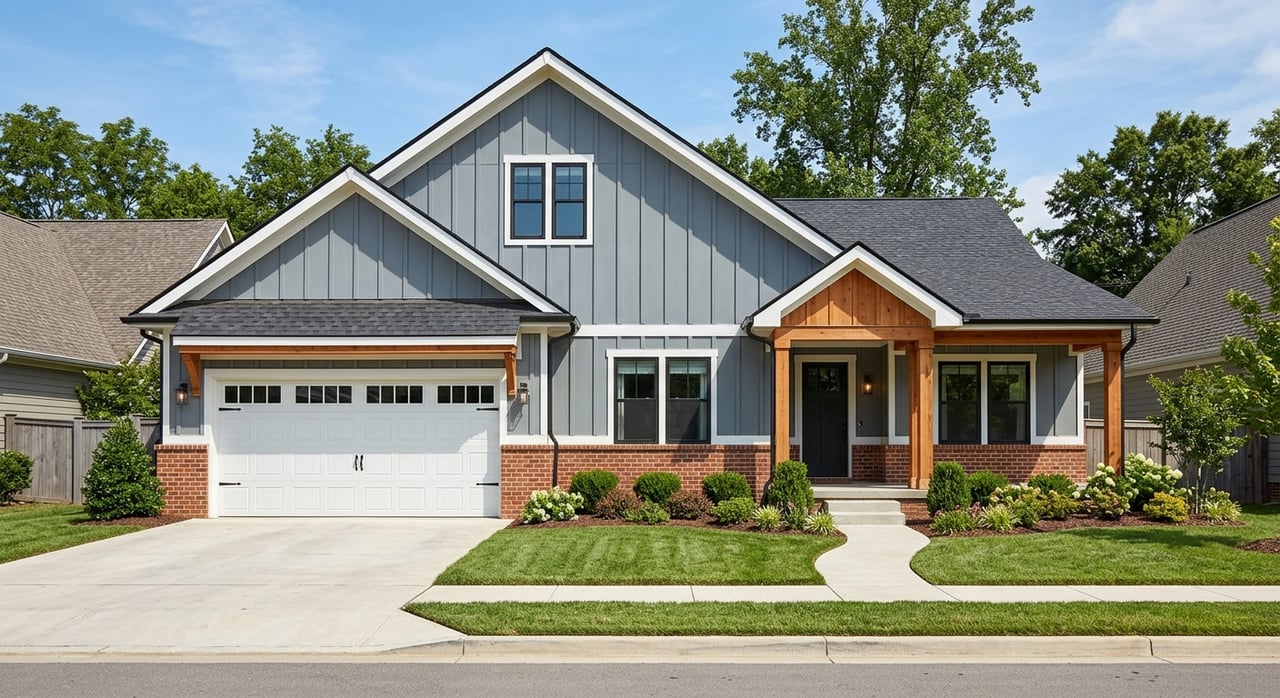
Suburban Fort Worth offers a different kind of convenience. Instead of dense entertainment and high-rise housing, you are more likely to find larger residential areas built around neighborhood infrastructure, road access, parks, trails, and traditional single-family homes.
This pattern shows up in the city’s Public Improvement District information, which highlights suburban-style communities such as Walsh Ranch/Quail Valley, Rock Creek Ranch, Park Glen, and Heritage. These areas emphasize streets, drainage, utilities, parks, trails, landscaping, greenbelts, lighting, and other neighborhood-level improvements.
What Suburban Housing Feels Like
Suburban Fort Worth generally fits buyers who want more traditional residential settings. That may mean detached homes, townhomes in some areas, more private outdoor space, and neighborhood layouts designed around daily driving rather than walking between entertainment districts.
The feel is often more residential and less mixed-use. Instead of a tower over retail or a condo in an entertainment district, you are more likely to experience community amenities at the neighborhood scale.
Driving and Highway Access
If your routine depends on commuting by car, school drop-offs, errands across town, or regular highway access, suburban Fort Worth may feel more natural. The city’s Master Thoroughfare Plan explains that arterials are built for moderate- to long-distance trips and connect with interstate and state highway systems.
That planning framework helps explain why many outer areas of Fort Worth feel more road-oriented. In a city where most people already drive alone to daily destinations, that setup can be a plus if you value straightforward vehicle access over walkable density.
Neighborhood Amenities and Open Space
Suburban green space usually looks different from downtown green space. Rather than having entertainment districts and civic spaces close together, suburban communities often offer neighborhood parks, trails, greenbelts, and open space integrated into residential areas.
The city’s suburban PID examples point to this clearly, especially in communities that emphasize landscaping, trails, parks, and greenbelt maintenance. For many buyers, that translates into a quieter everyday environment with recreation closer to home.
Parks and Outdoor Access
One common misconception is that downtown means giving up outdoor access. That is not really true in Fort Worth.
The City of Fort Worth parks information notes that Trinity Bluff Park is a downtown natural area with trails, while Trinity Park spans about 252 acres and connects into the 100-plus-mile Trinity River Trails network. Citywide, Fort Worth has 311 parks and 13,464 acres of park land.
The difference is not whether parks exist. The difference is usually how you access them. Downtown may give you stronger access to regional trails and major destinations, while suburban living often places parks and green space within the rhythm of the neighborhood itself.
Budget: Don’t Assume One Is Cheaper
It is easy to assume suburban living automatically costs less, but the numbers do not support broad assumptions. According to the Census Bureau quick facts, Fort Worth’s median owner-occupied home value was $303,000, while Tarrant County’s was $323,900 in the 2020-2024 data range.
Median gross rent was also fairly close at $1,509 in Fort Worth and $1,547 in Tarrant County. That is why your decision should focus more on housing type, location, commute needs, and lifestyle priorities than on a simple “downtown versus suburbs” price assumption.
How to Decide What Fits You
If you are still torn, start by looking at how you actually spend your week. The right choice is usually the one that supports your routine with the fewest daily compromises.
Downtown May Fit You Best If
- You want a more walkable lifestyle with easier access to transit, entertainment, and dining
- You like apartment, condo, or high-rise living with convenience-focused amenities
- You are comfortable with paid parking, regulated parking, or owning fewer vehicles
- You want to be close to downtown destinations like Sundance Square, performance venues, and nearby cultural attractions
Suburban Fort Worth May Fit You Best If
- You want a more traditional residential setting with neighborhood infrastructure and open space
- You expect to drive most days and want easier day-to-day vehicle use
- You prefer more private outdoor space and a quieter residential rhythm
- You want community parks, trails, greenbelts, and neighborhood-scale amenities built into your area
The Best Choice Depends on Your Routine
In Fort Worth, the downtown-versus-suburban decision is really a lifestyle decision. Downtown gives you the strongest access to walkability, transit, and district-style entertainment, while suburban Fort Worth offers a more road-oriented, neighborhood-focused way of living with different kinds of space and convenience.
If you want help narrowing down which Fort Worth area fits your goals, budget, and daily routine, Amanda Beames can help you compare options with local insight and a clear plan for your move.
FAQs
Is downtown Fort Worth more walkable than suburban Fort Worth?
- Yes. Downtown Fort Worth has the city’s strongest concentration of walkable entertainment, dining, and transit access, especially around Sundance Square and Central Station.
Is suburban Fort Worth always more affordable than downtown Fort Worth?
- No. Available census data shows Fort Worth and Tarrant County housing medians are fairly close, so affordability depends more on property type, location, and features than on a simple downtown-versus-suburban label.
Does downtown Fort Worth have good transit options for daily living?
- Yes. Downtown offers the region’s strongest transit access through Fort Worth Central Station, plus local services like the Orange Line and free downtown Blue Line.
Do suburban Fort Worth neighborhoods offer parks and trails?
- Yes. Many suburban areas are planned around neighborhood amenities such as parks, trails, greenbelts, landscaping, and open space.
Is parking harder in downtown Fort Worth than in suburban areas?
- Usually, yes. Downtown parking is more likely to be paid, regulated, or limited compared with the easier day-to-day parking patterns common in suburban residential areas.