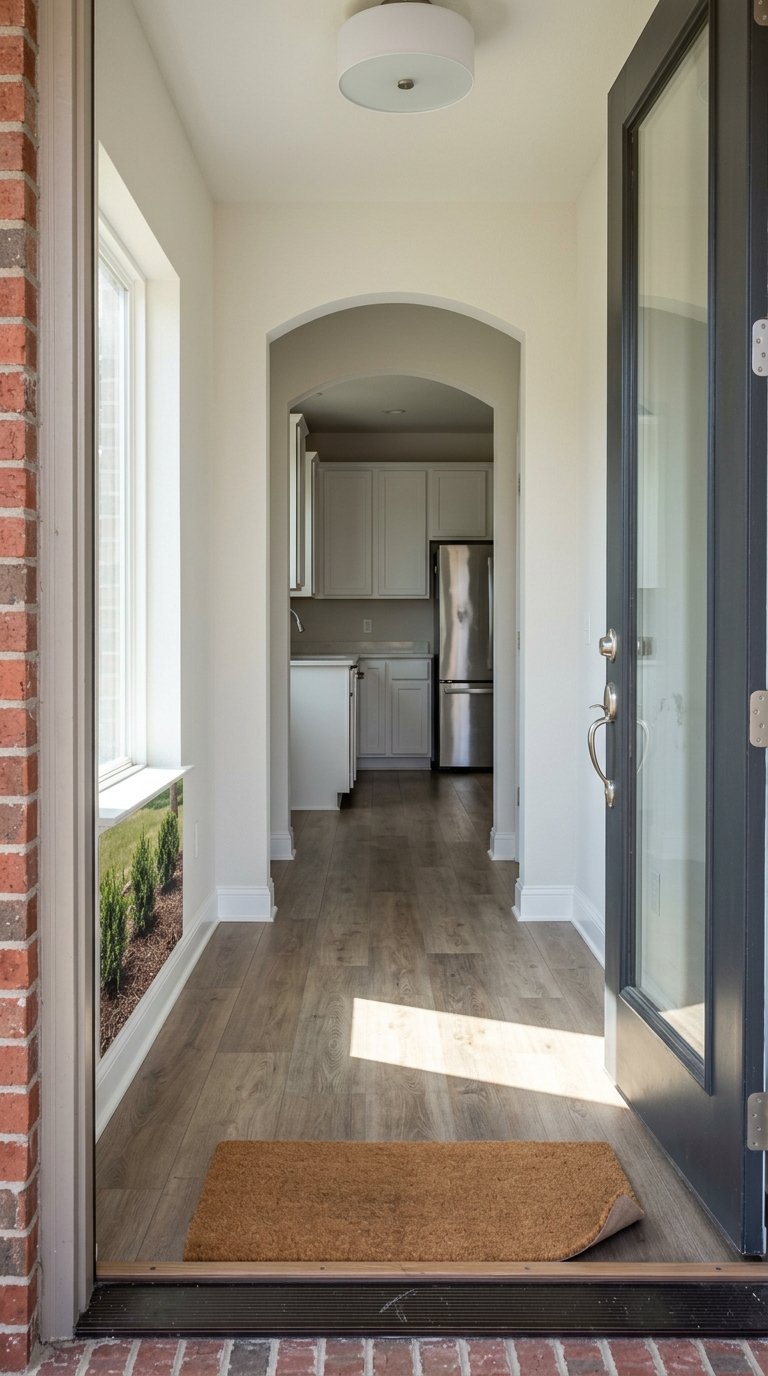
Trying to decide whether to build new or buy a resale home in Weatherford? You are not alone. With Weatherford growing quickly and home options varying by area and price point, the right choice often comes down to your timeline, budget, and comfort with the buying process. This guide will help you compare both paths, understand the local cost factors, and ask smarter questions before you commit. Let’s dive in.
Weatherford market context
Weatherford sits about 25 miles west of Fort Worth and has seen notable recent growth. According to the City of Weatherford budget document, the estimated population increased from 30,854 in 2020 to 38,109 in 2023.
That growth helps explain why buyers are looking at both new construction and resale homes across the area. At the same time, pricing and pace can vary depending on the zip code and property type. Zillow data reported a citywide home value of $384,285 with homes going pending in about 76 days as of January 31, 2026, while other market snapshots have pointed to different pricing by submarket.
Why buyers build new
New construction often appeals to buyers who want a more customized home and a fresh start. You may be able to choose finishes, floor plans, or upgrade packages, depending on the stage of construction and the builder’s process.
According to Freddie Mac’s guidance on buying new construction, the experience is usually different from buying resale. It often involves more decisions, more timelines to track, and more moving parts, but that tradeoff can be worth it if you value personalization and a new-home warranty path.
New construction advantages
If you are considering a build, these are some of the biggest reasons buyers choose this route:
- More opportunity to personalize finishes and features
- Brand-new materials, systems, and appliances
- Potential builder incentives, which may come as option credits or closing-cost help instead of a lower price
- A warranty path that may cover certain issues during an initial period
For many buyers, the appeal is simple: you get a home that feels new, clean, and tailored to your needs.
Costs to watch with new construction
The base price is not always the full story with a new build. Some of the most important costs show up later in the process, so it helps to review them carefully before you sign.
The Consumer Financial Protection Bureau notes that builder deposits may be required for homes that are not yet complete. It also states that closing costs typically range from 2% to 5% of the purchase price, excluding your down payment.
In Weatherford, utility-related fees can also matter. The city’s water utility information shows that as of October 1, 2025, the residential water tap fee is $4,750, the wastewater tap fee is $4,050, and meter set fees range from $440 to $1,840 depending on meter size. These costs may not apply the same way to every transaction, so you should ask exactly which fees are tied to the lot or address you are considering.
Taxes matter too
Property taxes affect both new and resale homes, but they can feel more complex with new construction because buyers are often estimating costs before the final assessed value is fully clear. Weatherford’s 2025 property tax rate page lists the city tax rate at $0.392246 per $100 valuation, and Weatherford ISD’s 2025 to 2026 rate at $1.0342 per $100.
The Texas Comptroller’s homestead exemption guidance explains that applications are filed with the appraisal district, the general deadline is before May 1, and qualifying homesteads receive a 10% annual cap on appraised-value increases after the exemption takes effect. Because Parker County properties may also include county, college district, or special district taxes, it is smart to verify the full tax picture for any specific home.
What to know about the new-build process
Buying a home that is already built is one thing. Buying a home that is still under construction is another. In Texas, the contract forms are different depending on whether the home is complete and never occupied or still being built.
The Texas Real Estate Commission contract resources make that distinction clear. They also note that contract forms are primarily intended for trained license holders, which is one reason experienced representation matters when you are comparing builder paperwork, deadlines, and addenda.
Inspections still matter
A common mistake is assuming a new home does not need an inspection. That is not the recommendation from consumer and industry guidance.
Both the CFPB and Freddie Mac advise buyers to get an independent inspection even on new construction. TREC also explains in its Texas property inspection guidance that walkthrough-style inspections may not be enough for certain lender or warranty needs, and licensed inspectors must use the TREC Property Inspection Report form.
Warranties are not all the same
The word “warranty” can mean different things, so you should ask for specifics. A builder warranty is different from a residential service contract, sometimes called a home warranty.
The Texas Department of Licensing and Regulation says residential service contracts are optional and generally cover certain appliances and systems related to wear or workmanship issues. TREC also notes that a builder may offer a 12-month warranty in some situations, so the key question is not just what the coverage is called, but what is covered, what is excluded, and when you must report issues.
Why buyers choose resale
Resale homes usually offer a more straightforward process because you are evaluating a finished, previously occupied property. You can walk the home as it exists today, review disclosures, and use the inspection period to negotiate based on visible condition.
In Texas, a resale purchase typically uses the One to Four Family Residential Contract, and previously occupied single-family homes require the TREC Seller’s Disclosure Notice. That structure puts more focus on known condition, disclosures, and negotiation than on construction timelines.
Resale advantages
For many buyers, resale homes are attractive because they offer clarity. What you see is usually much closer to what you get.
Common reasons buyers prefer resale include:
- A completed home you can evaluate in person
- Established landscaping, fencing, or neighborhood infrastructure in some areas
- More room to negotiate based on inspection findings or seller motivation
- A potentially faster timeline than waiting on construction completion
If your priority is certainty, resale may feel more comfortable.
Inspection and negotiation in resale deals
The inspection period is often your biggest leverage point when buying resale. The CFPB recommends making offers contingent on financing and a satisfactory inspection.
If the inspection reveals issues, you may be able to negotiate repairs or ask for a closing-cost credit. CFPB also points out an important detail: if the seller pays closing costs instead of making repairs, you still take on the repair expense after closing.
That is why it helps to think beyond the headline concession. A credit can be helpful, but you should still understand the actual cost and timing of any needed work.
Fees and disclosures to review on either path
Whether you build new or buy resale, monthly affordability is about more than principal and interest. You should also review taxes, insurance, HOA or POA dues if applicable, and any district-related costs tied to the property.
TREC’s contract resources include notices tied to special taxing or assessment districts, mandatory POA membership, and improvement-district assessments. In the Weatherford area, these details can materially affect your monthly budget, so they deserve just as much attention as the sales price.
Questions to ask before you decide
A smart decision usually starts with better questions. Here are a few worth asking depending on which path you are considering.
Questions for a builder
- Which TREC new-home contract form applies to this property?
- What is the estimated completion date, and what happens if it changes?
- What features are standard, and what counts as an upgrade?
- Is there a builder deposit, and under what conditions is it refundable?
- What independent inspections are allowed before closing?
- Which utility tap, meter, HOA, or district fees apply to this lot?
Questions for a resale seller
- Is there a current Seller’s Disclosure Notice available?
- Are there known issues with the home’s physical condition?
- Is the seller open to repairs or closing-cost assistance after inspection?
- Is the property in a special taxing district or under a mandatory POA or HOA?
Which option may fit you best?
There is no one-size-fits-all answer in Weatherford. New construction may be a better fit if you want customization, are comfortable with a longer or less predictable timeline, and are prepared to review builder-specific costs and deadlines carefully.
Resale may be a better fit if you want to inspect a finished home, move on a clearer schedule, and negotiate based on documented condition and disclosures. In both cases, the best outcome usually comes from understanding the contract, protecting your inspection rights, and looking closely at the full monthly cost.
If you are weighing both options in Weatherford, having experienced guidance can make the process much easier. From comparing new-build terms to reviewing resale disclosures and negotiating repairs, Amanda Beames can help you move forward with clarity and confidence.
FAQs
What is the biggest difference between building new and buying resale in Weatherford, TX?
- Building new usually offers more customization and a different warranty path, while buying resale usually gives you a finished home to inspect and negotiate based on current condition and disclosures.
Do you still need an inspection on a new construction home in Weatherford, TX?
- Yes. Both consumer guidance and Texas inspection guidance support getting an independent inspection even when the home is newly built.
What extra costs should you ask about when building new in Weatherford, TX?
- Ask about builder deposits, closing costs, utility tap fees, meter fees, HOA or POA costs if applicable, and the full property tax structure for the address.
How do property taxes affect a home purchase in Weatherford, TX?
- Property taxes can include city, school district, county, college district, and possibly special district taxes, so you should verify the full tax stack for the specific home you are considering.
Is buying a resale home easier than building new in Weatherford, TX?
- It can be simpler because the home is already complete and the process centers more on disclosures, inspection findings, and negotiation rather than construction timelines and builder terms.