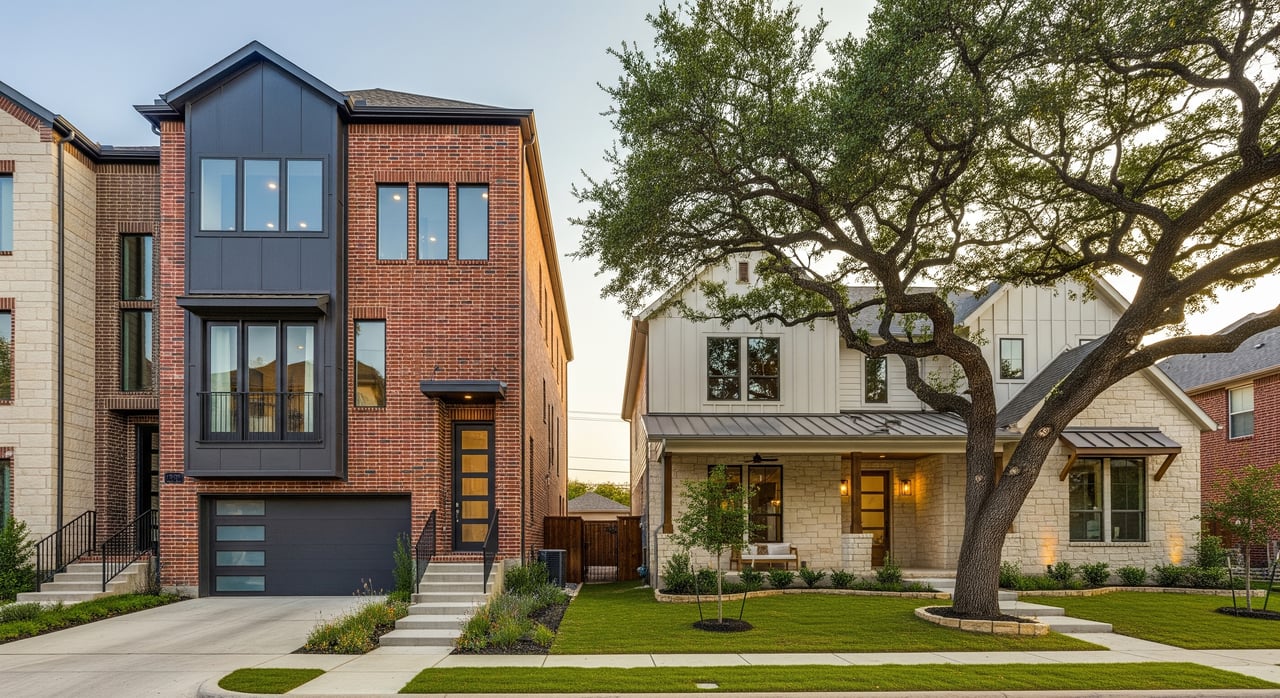
Trying to decide between a townhome and a single-family home in Hurst? You are not alone. First-time buyers and downsizers often weigh price, HOA fees, and how much time they want to spend on yard work or repairs. In this guide, you will see the real cost and upkeep differences, what HOAs usually cover, and the local checks that matter in Hurst. Let’s dive in.
Hurst basics to check first
Before you compare homes, confirm a few local items that affect costs and risk:
- Property taxes and assessed value. Review parcel details and appeal information at the Tarrant County Appraisal District.
- City services. See trash, bulky-item pickup, and brush guidelines on the City of Hurst website.
- Flood exposure. Look up the property on the FEMA Flood Map Service Center to confirm flood zone status.
- Insurance environment. Texas premiums can be influenced by wind and hail. Get context and consumer guidance from the Texas Department of Insurance.
Hurst includes older single-family neighborhoods and newer townhome developments near major corridors and shopping. That mix means prices and maintenance needs vary by age, location, and construction quality.
Cost comparison: townhome vs single-family
Purchase price and financing
Townhomes often offer a lower entry price than comparable single-family homes in the same area, though there is overlap based on lot size, finishes, and age. Confirm how the townhome is legally structured. Some are treated like condominiums, which can change loan requirements, project approvals, and mortgage insurance rules. Speak with a lender familiar with Tarrant County product types early in your search.
Property taxes in Tarrant County
Your tax bill depends on your assessed value. Townhomes may carry smaller land value than single-family homes, which can reduce the taxable base. Review the property’s assessed value, exemptions, and recent history through the Tarrant County Appraisal District. If values jump after a sale, ask about the appeal process and deadlines.
Homeowners insurance in Texas
Single-family homes typically require full dwelling and exterior coverage. Townhome coverage depends on the HOA’s master policy. If the association covers the building shell, your policy may be interior only. Texas premiums can shift due to wind and hail risk. For current guidance and shopping tips, see the Texas Department of Insurance.
HOA fees and what drives them
Townhome communities usually have mandatory HOA fees. Costs vary based on what the association maintains. Typical drivers include exterior insurance, roof or structure coverage, landscaping, pools or amenities, management fees, and reserves for big projects. Review budgets, reserve studies, and rules carefully. For general best practices and owner responsibilities, the Community Associations Institute is a helpful resource.
Utilities and operating costs
Townhomes often have a smaller footprint and shared walls, which can reduce heating and cooling needs. You will also have fewer yard or irrigation costs if landscaping is included in the HOA. Single-family homes provide more control but usually carry higher exterior operating expenses.
Routine and capital maintenance budgets
A common planning rule is to set aside roughly 1 percent to 4 percent of the purchase price per year for maintenance and repairs. The right number for you depends on age, condition, and materials. For typical cost ranges on projects like roof repair or exterior painting, check national cost guides such as HomeAdvisor’s Cost Guide, then get local quotes. For HVAC care and expected lifespans, see Energy Saver guidance on maintaining your air conditioner.
Maintenance and upkeep: who handles what
Townhome responsibilities
In many Hurst townhome communities, the HOA handles the exterior shell, roof, common-area landscaping, exterior paint, and parking areas. Owners are usually responsible for interior systems and finishes, and sometimes limited exterior elements like patios or balconies. Always confirm in the Declaration and the maintenance responsibility matrix.
Single-family responsibilities
With a single-family home, you handle everything inside and out unless you hire vendors. That includes lawn and tree care, fence and driveway upkeep, roof and exterior repairs, and pest control. You control standards and timing, but you also carry the full cost and coordination.
Typical tasks and timelines in Hurst
- Lawn and landscaping. Weekly or biweekly mowing, seasonal fertilization, and irrigation repairs. Many townhome HOAs include this service.
- HVAC. Annual tune-up and filter changes. Replacement often occurs around 15 to 25 years depending on system type and use. See Energy Saver tips under maintaining your air conditioner.
- Roof. Inspect every few years. Shingle lifespan commonly 15 to 30 years based on materials and weather. In townhomes, the HOA may fund replacement through reserves or assessments.
- Exterior painting or siding. Expect cycles every 7 to 15 years depending on materials and exposure.
- Pest control. Some HOAs include exterior service. Single-family owners choose their cadence.
- Foundation and drainage. In the DFW area, older properties can show movement from soil or drainage. Order a professional inspection and review any prior repair documentation.
- Appliances and interior systems. Check ages, warranties, and service records. Budget for eventual replacement.
HOA due diligence for Hurst townhomes
Before you finalize an offer on a townhome, request and review:
- Declaration, Bylaws, and Rules and Regulations
- Budget, recent financials, and any reserve study
- Last 6 to 12 months of board meeting minutes
- Insurance summary and master policy type, including walls-in or walls-out coverage
- Estoppel certificate showing dues status, transfer fees, and any known assessments
Evaluate the fee history, reserve strength, and upcoming projects. Confirm restrictions that matter to your lifestyle, like parking, pets, or rental rules. Texas has statutes governing HOA records and notices. Ask your agent, title company, or an attorney how those apply to your transaction.
Lifestyle and resale trade-offs
- Privacy and outdoor space. Single-family homes typically offer a private yard and more separation. Townhomes often have limited private outdoor areas.
- Noise and shared walls. Sound transfer depends on construction. Ask about party-wall details and insulation.
- Stairs and accessibility. Many townhomes are multi-level. If you prefer single-level living, confirm the floor plan.
- Parking. Single-family homes usually include a driveway and garage. Townhomes may have assigned spaces or guest parking rules.
- Amenities. Pools, fitness rooms, and gated entries can be a plus, but they add to HOA costs and reserve needs.
- Resale. Single-family homes often reach broader buyer pools. Well-located townhomes near retail and jobs can appeal to first-time buyers and downsizers who want low maintenance.
Quick decision matrix and next steps
Score yourself 1 to 5 on each item, then compare townhome vs single-family fits:
- Budget including HOA fees
- Desired maintenance level: low vs full control
- Space needs: bedrooms, garage, yard size
- Accessibility: single-story needs vs comfort with stairs
- Privacy and noise tolerance
- Parking needs and guest access
- Long-term plans: live long-term, rent later, or resell
Property and due diligence checklist before you offer:
- Compare recent neighborhood sales for both property types within 90 to 180 days.
- Request full HOA documents, financials, and insurance summary. Ask about any planned assessments.
- Order a professional inspection including roof, HVAC, plumbing, and foundation.
- Confirm assessed value, exemptions, and tax history with the Tarrant County Appraisal District.
- Check flood zone and drainage history through the FEMA Flood Map Service Center.
- Get an insurance quote after reviewing the master policy so you know your out-of-pocket coverage needs.
- Speak with a lender about the property’s structure. Confirm down payment, project approval if needed, and mortgage insurance impacts.
Budgeting recommendations:
- Plan for 12 months of ownership costs that include mortgage, HOA fees if applicable, utilities, and routine maintenance.
- Maintain an emergency fund for repairs. For townhomes, confirm that HOA reserves are adequate to reduce special assessment risk.
What fits you best?
If you want lower routine upkeep and are comfortable with HOA rules and fees, a townhome in Hurst can be a smart, efficient choice. If you value a private yard, maximum control, and broad resale appeal, a single-family home may be worth the extra maintenance and operating costs. The best fit depends on your budget, lifestyle, and timeline.
If you would like help comparing specific Hurst properties, reviewing HOA documents, and mapping total cost of ownership, reach out to Amanda Beames. Schedule a free consultation to get local guidance tailored to your goals.
FAQs
Are townhomes in Hurst cheaper to insure than single-family homes?
- It depends on the HOA’s master policy. If the association covers the exterior shell, you may only insure interiors, which can lower your premium. Review the master policy and consult the Texas Department of Insurance for guidance.
How can I check property taxes for a Hurst home?
- Look up the parcel’s assessed value, exemptions, and history at the Tarrant County Appraisal District, then estimate your annual bill based on local rates.
What do HOA fees usually cover in Hurst townhome communities?
- Common items include exterior maintenance, roof or structure, landscaping, insurance for common elements, amenities, and reserves. Always review budgets and rules, and see owner-resources from the Community Associations Institute.
How do I verify flood risk for a Hurst property?
- Search the address on the FEMA Flood Map Service Center to confirm the flood zone and discuss insurance needs with your agent and insurer.
How much should I budget for home maintenance each year?
- A common planning range is 1 percent to 4 percent of the home’s price per year, depending on age and condition. For typical project costs, consult national ranges like HomeAdvisor’s Cost Guide and get local quotes.
How long do HVAC systems typically last in North Texas homes?
- Many systems last about 15 to 25 years with regular service. For maintenance tips that help extend life and efficiency, see Energy Saver’s page on maintaining your air conditioner.