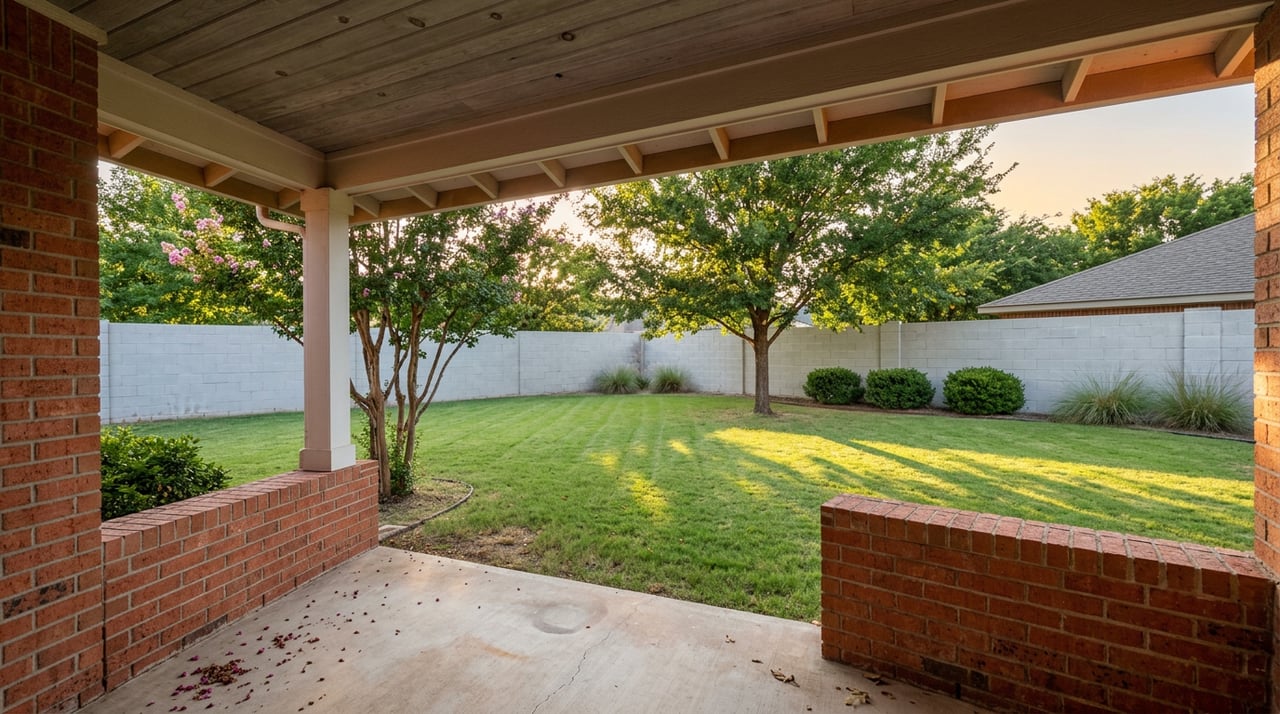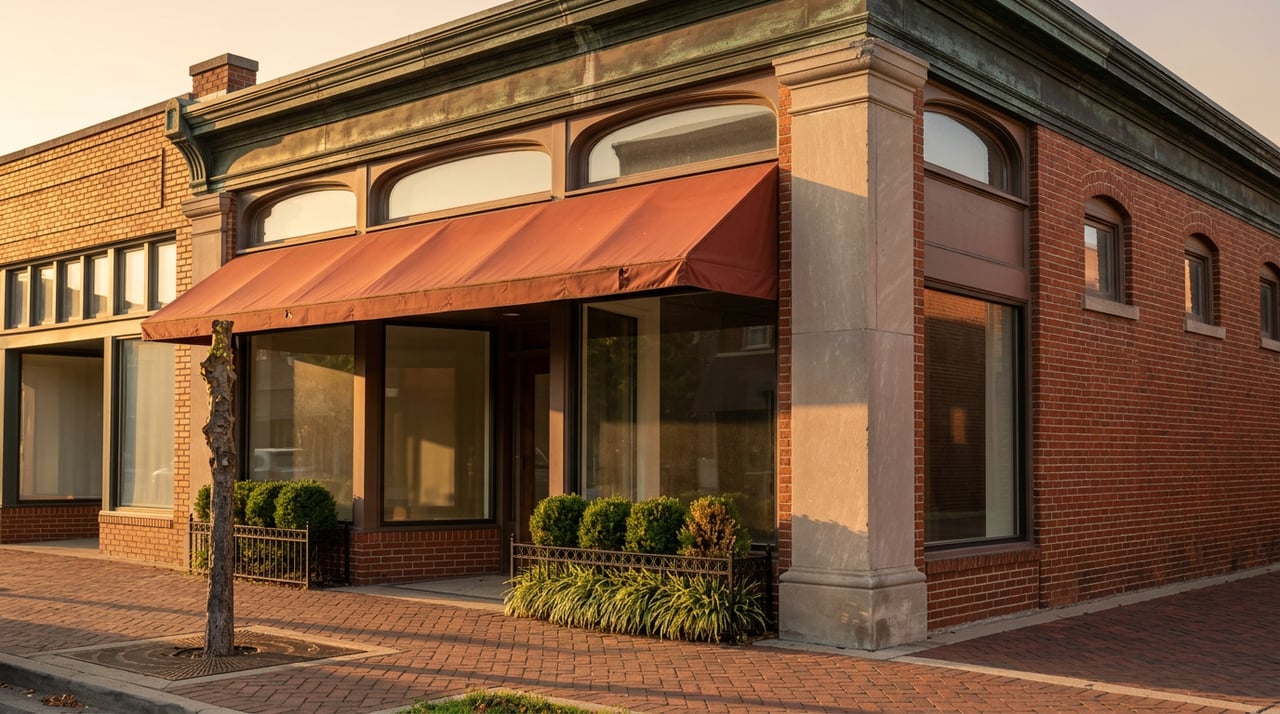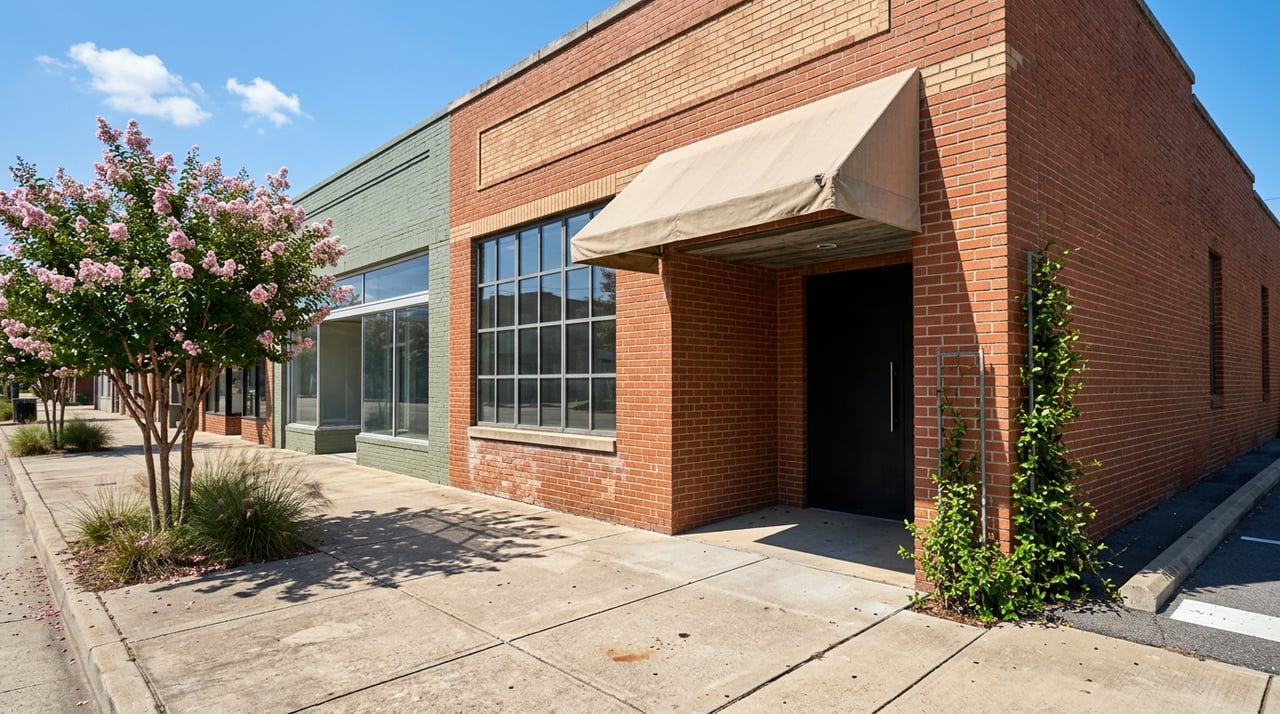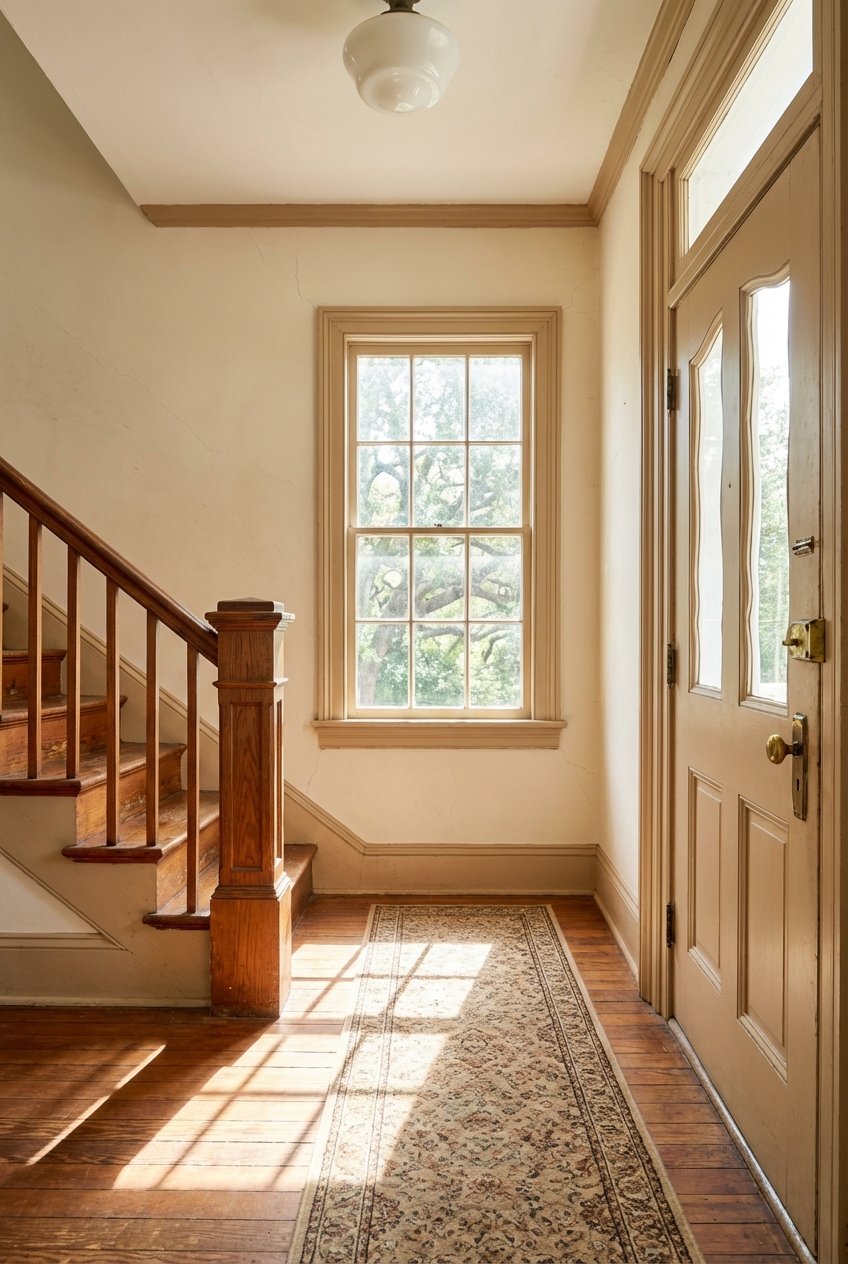
Thinking about selling a historic home in Waxahachie? You want to honor its character and still meet today’s buyers where they are. Between city preservation rules, disclosure requirements, and appraisal hurdles, it can feel like a lot. This guide walks you through a clear plan to prepare, price, and present your home for a confident sale. Let’s dive in.
Know your historic status
Confirm overlay district and COA rules
Start by finding out if your property sits in a Historic Overlay District. In Waxahachie, exterior changes in these areas generally require a Certificate of Appropriateness from the Heritage Preservation Commission before permits are issued. The city’s ordinance explains what work may need approval, including paint, porch repair, windows, and signage, and outlines timelines for review. Review the city’s Historic Overlay rules and COA process in the local code to plan your work and your listing timeline: City of Waxahachie Historic Overlay District ordinance.
For broader planning context, the City’s Community Master Plan documents preservation priorities and recent surveys. If you are weighing pre‑listing exterior work, consult the plan and ask your agent to coordinate with the city’s preservation staff: Waxahachie Community Master Plan 2023. You can also explore the city’s nationally recognized historic districts to understand neighborhood context and buyer draw: Five nationally registered historic districts.
Disclosures and key inspections
Texas requires a written Seller’s Disclosure Notice for most one‑unit homes. Complete it carefully and accurately, covering systems, prior repairs, and known conditions. If you are unsure how to answer an item, get guidance from your agent or attorney. See the statute: Texas Property Code §5.008 Seller’s Disclosure.
If your home was built before 1978, you must provide federal lead‑based paint disclosures and the EPA/HUD pamphlet. Any renovation that disturbs painted surfaces should follow EPA Renovation, Repair and Painting rules and be performed by certified pros. This can affect how you schedule prep work and staging. Learn more here: EPA RRP guidance for real estate.
A termite or wood‑destroying insect report is commonly requested by lenders and often required for certain loan programs. In Texas, the official Wood‑Destroying Insect Report is issued by licensed providers, and remedial work may be needed before closing. Build this into your prep plan: Texas Structural Pest Control Service WDIR info.
Most lenders and appraisers watch for health, safety, and soundness issues. Significant problems with the roof, foundation, electrical, plumbing, or active infestation can trigger repair conditions or limit buyer financing. Plan ahead for these items to protect your price and timeline: FHA appraisal focus on safety and soundness.
Preservation‑first prep plan
Prioritize safety, then systems
Address items that can block financing or affect habitability first. Fix active leaks, foundation failures, unsafe wiring, and pest issues before focusing on cosmetics. Next, review core mechanical systems like HVAC, plumbing, and electrical. This sequence helps you pass appraisals and increases buyer confidence.
Keep the character while updating
In historic homes, repair often beats replacement. Use the Secretary of the Interior’s Standards as a guide and follow trusted resources for materials and methods. For example, many preservation experts recommend repairing and weatherizing original wood windows rather than replacing them, which can preserve authenticity and value. See best practices here: NPS Preservation Brief on wooden windows.
Document any restoration or system upgrades with photos, invoices, and permits. A clean paper trail will help buyers and appraisers understand the investment and the home’s stewardship.
Plan for realistic costs
Budget ranges vary by scope and contractor, but these order‑of‑magnitude estimates can help you prioritize:
- Foundation repair: minor to extensive work often ranges from roughly $2,000 into the five figures depending on method and severity. Get at least two local estimates to dial this in. Source: foundation repair cost context.
- Window repair vs replacement: simple sash or glazing repairs can be hundreds per window, while full replacement often runs several hundred to a few thousand per unit depending on size and material. Source: window repair cost context.
- HVAC replacement: a full system swap can range from the mid‑thousands into the low five figures depending on home size and system type. Source: HVAC replacement cost context.
Build COA time into your schedule
If you plan any exterior work in an overlay district, build in time for the Certificate of Appropriateness review and design your scope to fit local guidelines. This avoids stop‑work orders and keeps your listing plan on track. See the process and timing here: Waxahachie COA and design review.
Pricing and valuation tips
Historic homes often lack perfect comparables, so appraisers may blend sales comparison with cost‑based thinking. You can help the process with a detailed packet that documents restorations, permits, and system updates. Set expectations early and support your price with facts: navigating the appraisal process.
Some studies show that respected historic districts can correlate with price premiums, though results vary by market and property. If you expect a premium, support it with recent neighborhood sales and a clear explanation of condition and features. For context on how designation can relate to value, see this review of market research: historic district designation and value correlations.
Smart pricing tactics include dealing with safety items up front or pricing to attract buyers who plan improvements. Providing a pre‑listing termite report and contractor estimates can reduce back‑and‑forth during negotiations and help a lender underwrite the file smoothly. See WDIR context here: Texas WDIR overview.
Showcasing your home
Stage to reveal architecture
Declutter so buyers can see trim lines, stair details, and original flooring. Choose restrained furnishings that show scale without covering millwork or mantels. Avoid staging that reads ultra‑modern if it hides period charm. Professional staging that understands older homes can boost interest: staging principles for older homes.
Use photography that tells the story
Invest in professional images that capture hero exterior shots, close‑ups of architectural features, and context near downtown or the courthouse square when relevant. Include a measured floor plan so buyers can understand flow before touring. Drone images can help when the lot or streetscape is a selling point. These assets reduce wasted showings and set expectations: real estate photography best practices.
Create a house history packet
Assemble a concise packet for showings, appraisers, and lenders. Include a one‑page timeline of restorations, copies of permits, contractor invoices, inspection summaries, and high‑quality images with captions that call out period features. Guidance from preservation resources can help you describe original materials accurately: NPS window preservation brief.
Smart marketing channels
Start with the basics: full MLS exposure, targeted social ads with photos and short video, email to engaged buyers and agents, and well‑timed open houses. Then add niche channels that reach historic‑home enthusiasts. Options include National Trust Historic Real Estate, CIRCA Old Houses, OldHouses.com, and PreservationDirectory. These should complement, not replace, your MLS strategy.
Leverage local heritage tourism to highlight context. Coordinate with the Waxahachie CVB on historic district features that can be showcased during marketing: city historic districts overview. When possible, align open houses with community events like the Gingerbread Trail to meet preservation‑minded buyers where they already gather: Gingerbread Trail information.
Financing to widen the buyer pool
If your home needs updates, make sure buyers know renovation financing options exist. FHA 203(k) loans allow an owner‑occupant to purchase and finance improvements in one mortgage. Encourage buyers to speak with experienced lenders about eligibility and scope: FHA 203(k) overview.
Avoid common mistakes
- Skipping a district check before exterior work. This can lead to stop‑work orders or required reversals. Review the city’s COA rules first: Waxahachie COA guidance.
- Underestimating lender and appraisal requirements. Health, safety, and soundness issues can stall loans. Plan repairs or price accordingly: FHA appraisal guidance.
- Replacing character features that buyers value. Repairing original wood windows and trim often preserves appeal and can be cost‑effective over time: NPS guidance on windows.
Your Waxahachie listing plan
Use this simple, preservation‑minded sequence to prep with confidence:
- Verify historic status and COA needs. Confirm if you are in a Historic Overlay District and align any exterior work with local guidelines and review timelines: city COA rules.
- Complete required disclosures. Fill out the Texas Seller’s Disclosure fully and accurately: §5.008 overview.
- Order pre‑listing inspections. Prioritize a general inspection focused on roof, foundation, electrical, and HVAC, plus a termite/WDIR if applicable: Texas WDIR context.
- Handle lead‑based paint items if pre‑1978. Provide the lead disclosure and schedule any paint work under EPA RRP rules with certified pros: EPA RRP guidance.
- Preserve and document. Repair rather than replace when possible, then assemble a “house history” packet with invoices, permits, and photos: NPS windows brief.
- Invest in top‑tier visuals. Hire a photographer skilled in architecture, include detail shots, a floor plan, and drone if helpful: photography best practices.
- Calibrate price and marketing. Use nearby district sales for benchmarks, decide on pre‑list repairs vs credits, and add niche historic channels and local event timing to your launch plan.
When you want a tailored plan and a polished launch, partner with a local listing expert who understands both preservation and presentation. To map out your strategy for selling a historic Waxahachie home, schedule a free consultation with Amanda Beames.
FAQs
What is a Certificate of Appropriateness in Waxahachie?
- A Certificate of Appropriateness is city approval required for many exterior changes within Historic Overlay Districts, and you should review the process and timing before starting work: Waxahachie COA rules.
Do I need a termite report to sell in Texas?
- Lenders commonly request a Wood‑Destroying Insect Report in Texas, and some loan programs require it; plan for inspection and any remedial work early: Texas WDIR overview.
How should I handle original windows before listing?
- Consider repair and weatherization rather than replacement to preserve character and value; follow preservation guidance and document the work: NPS window preservation brief.
Will FHA or VA appraisals be tough on older homes?
- Appraisals focus on health, safety, and soundness, so issues like roof leaks, unsafe electrical, or foundation problems may need correction for loan approval: FHA appraisal focus.
What goes into a house history packet for buyers and appraisers?
- Include a brief history, restoration timelines, permits, contractor invoices, inspection summaries, and photos that highlight period features with accurate descriptions: preservation documentation guidance.