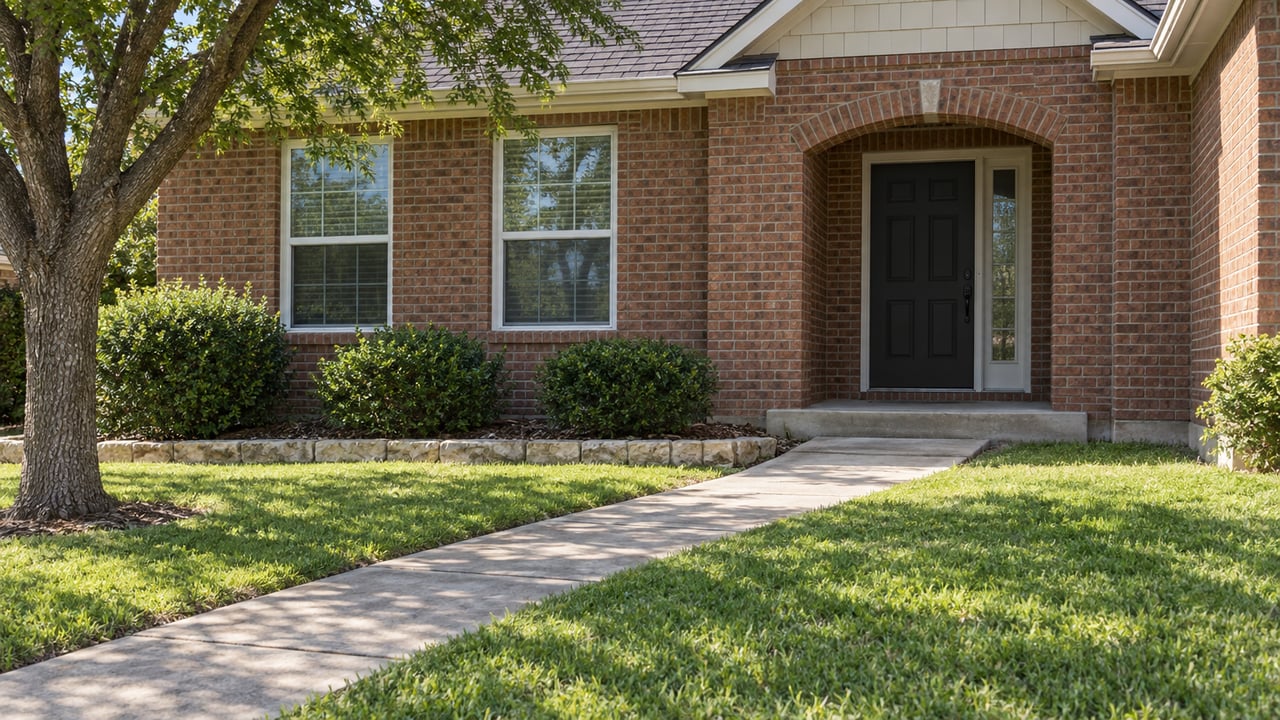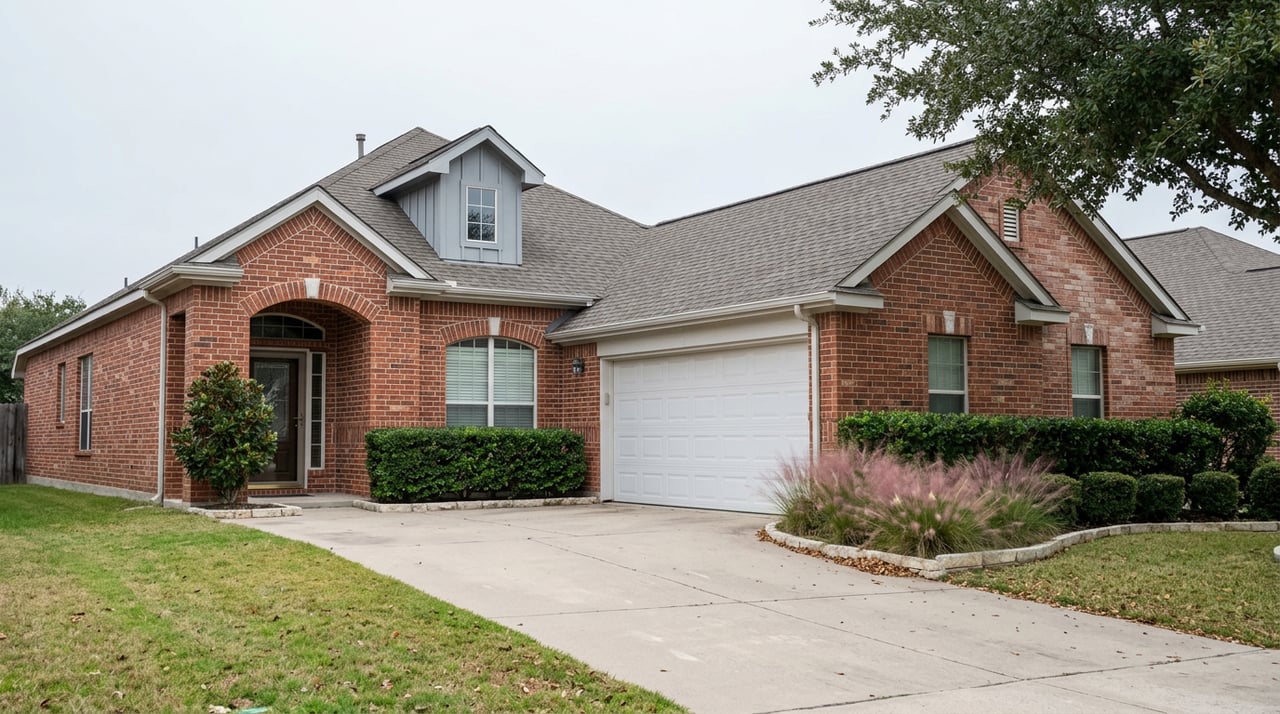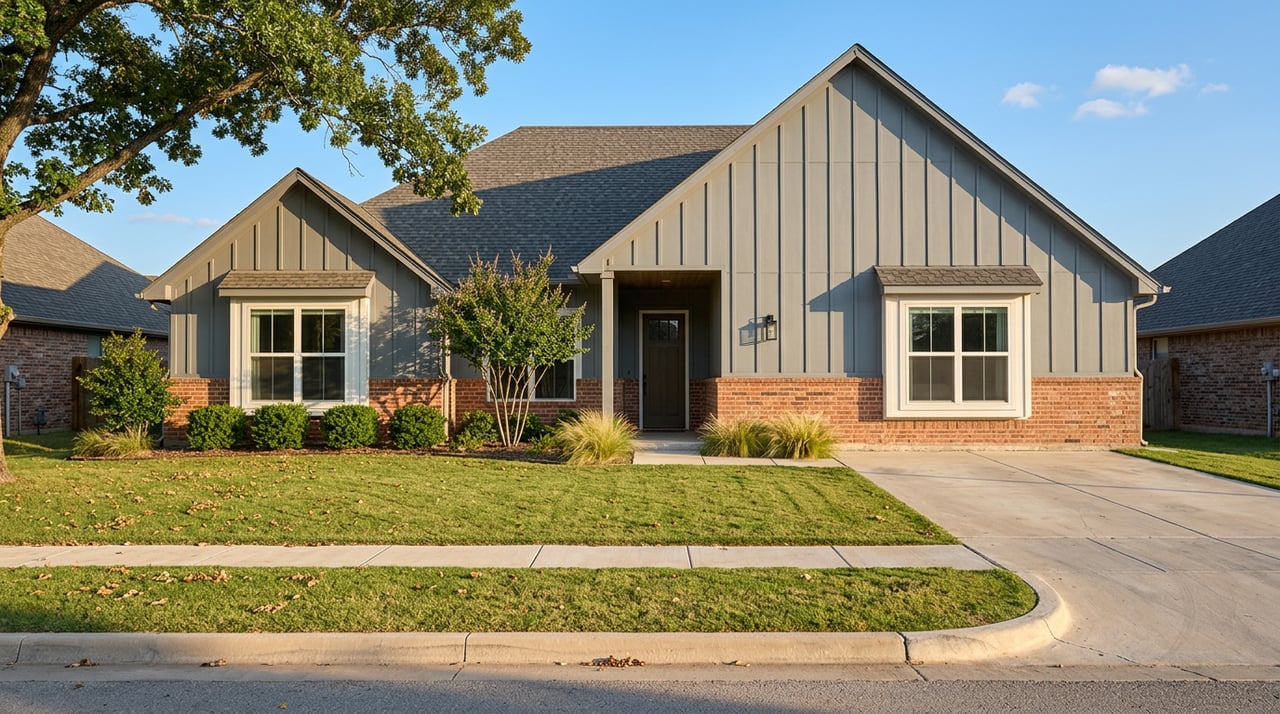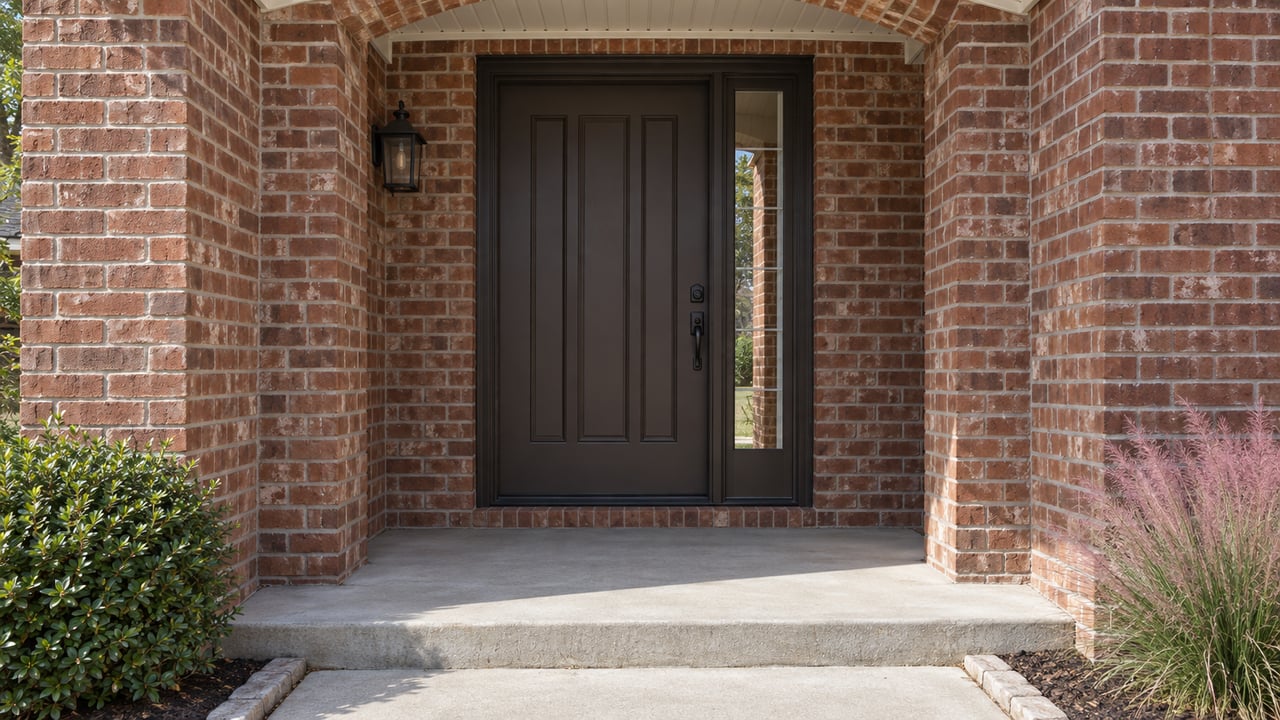
A four-bedroom floor plan in GoodLand, the 5,000-acre master-planned community straddling the south end of Midlothian, lists for the same number the builder posted three weeks ago. What's changed is the incentive stapled to it: a free appliance package this month, a rate buydown last month, closing cost credit the month before that. The sticker on the website hasn't moved. Everything underneath it has.
That's the story Midlothian's median price can't tell you by itself. As of September 2026, homes here are listed to sell at a median of $525,000, according to Movoto's monthly tracker. But Zillow's home value index, updated through the end of July, puts the average value of a Midlothian home at $456,509, down slightly over the past year. Orchard's market report, pulled from the most recent 30-day window of closings, shows a median sale price of $478,130, down 5.3% year over year. Three trackers, three numbers, and every one of them sits meaningfully below the list price a buyer sees first.
The Number on the Portal Isn't the Number at Closing
A $47,000 to $69,000 gap between what's listed and what's actually closing is not a rounding error. It's the difference between a seller's market and a buyer's market wearing a seller's market's price tag.
The two trackers disagree on how long that gap takes to close, which is itself worth sitting with. Movoto's September figures put the median time on market at 185 days. Orchard's 30-day snapshot shows a median of 67 days. The two sources count differently, pulling from different listing pools and different definitions of "sold," and the honest answer is that no single number here is more correct than the other. What both agree on is direction. Neither is measuring days. Both are measuring months, and Orchard's own data shows only 63 homes sold in that recent 30-day window, down from 88 the year before, alongside 76% of active listings dropping their price during the period.
For a buyer, that's the headline. A market where three quarters of listings have already cut price once isn't a market where the list price is the negotiation's starting line. It's the market's opening offer, and there's room behind it.
Why the Gap Exists: A Handful of Builders Selling Into the Same Footprint
Part of the reason Midlothian's list-to-close spread runs wider than a typical established suburb is structural, not seasonal. A large share of current inventory sits inside a small number of active master-planned communities, and GoodLand is the biggest of them. Highland Homes describes it as a 5,000-acre development with five builders working the same footprint: Highland Homes, Beazer Homes, David Weekley Homes, M/I Homes, and HistoryMaker Homes, all selling comparable floor plans within walking distance of each other's model homes.
When five builders are competing for the same buyer pool inside one development, they don't typically cut the number on the sign. They add value underneath it instead, which is exactly what Beazer is doing with its current appliance package tied to homes purchased this September. That's a rational response to a slower market, and it's also why the list price and the actual cost of the house can diverge more here than they would in a neighborhood with one seller and no competing builder next door offering a better deal on the same square footage.
The amenity package explains some of the demand pulling buyers toward this corridor in the first place. Highland Homes' site describes 15 miles of hike and bike trails threaded through GoodLand, multiple pool amenity centers, a stocked fishing pond, a dog park, and a planned pickleball facility, plus plans for a new elementary school built inside the community itself. Add nearby employers like the Google data center and steel manufacturer Gerdau, both cited as anchors of Midlothian's job base, and the demand side of the story holds up even while the price side softens.
The Boundary Line the Floor Plan Brochure Doesn't Draw
Here's the detail that catches buyers who assume "Midlothian" on the marketing material means Midlothian on the tax bill. Beazer's own GoodLand page places its section of the community "within the Prairie Ridge city limits," while listings for other GoodLand sections show addresses in Venus, Texas. Highland Homes markets the same development as sitting "minutes from Mansfield" and calls it "the new southern gateway of DFW." Kids attending the same community's schools may be zoned to Midlothian ISD or Venus ISD depending on which section of the 5,000 acres their lot falls in.
None of this is unusual for a development this large. It is unusual for a buyer to know it going in. A community name on a builder's website is a marketing decision. The city limits line and the school district line are legal boundaries, and in a development spanning three jurisdictions, they don't have to agree with each other or with the name on the sign at the entrance. The practical fix is simple and specific: confirm the actual city and ISD assignment for the exact lot before writing an offer, not the community's name as a whole.
The Tax Bill That Changes Shape in Year Two
New construction carries a second mechanism that catches buyers who budget off the builder's first-year estimate. Texas appraisal districts value property based on its condition as of January 1 each year. A home still under construction, or newly finished late in the year, gets its first tax bill largely on the value of the land, because the house itself wasn't complete when the appraisal snapshot was taken. The following year, the appraisal district captures the finished structure at full value, and the tax bill changes accordingly, not because the rate went up, but because what's being taxed finally includes the house.
That single mechanism is worth budgeting around separately from the sale price. A buyer comparing a $475,000 resale home against a similarly priced new build in GoodLand isn't comparing two identical tax pictures. The resale home's tax bill reflects a fully assessed structure today. The new build's first bill might not, and the second one almost certainly will look different.
Layered on top of that, some sections of large master-planned communities carry Public Improvement District assessments that fund the amenities buyers are drawn to: trails, entry landscaping, pool centers, the kind of shared infrastructure that GoodLand advertises. A PID assessment is separate from the base property tax rate, appears as its own line on the annual bill or as its own annual installment, and runs on its own schedule, often for 20 to 40 years, independent of how the home's assessed value moves. It's not negotiable at the individual homeowner level. It's set for the whole district. The only real buyer lever is confirming the specific assessment schedule tied to the exact address before closing, not assuming it matches what a neighbor down the street pays or what a different section of the same community carries.
What to Actually Confirm Before Writing an Offer
A few questions settle most of the surprises above before they become surprises:
- Ask the builder or listing agent for the total effective tax rate on the specific lot, not just the city and county base rate quoted in marketing material.
- Confirm whether that lot sits inside a PID, and if so, request the assessment schedule and whether it can be paid off early or in a lump sum.
- Verify the city limits and school district assignment for the exact address, not the community's advertised name.
- Ask what the builder's first-year tax estimate assumes, and specifically whether it reflects land value or a projected completed assessment.
- Use the current pace of the market, whichever tracker's number you trust, as leverage. A market where most listings have already dropped price once is a market where asking for builder incentives or a price adjustment is a reasonable opening move, not an aggressive one.
Two Numbers That Look Like They Contradict Each Other, and Don't
Zillow's home value index shows Midlothian values down 0.6% over the past year. Orchard's median sale price is down 5.3% over the same general period. Those aren't the same measurement, and neither one is wrong. A home value index tracks estimated value across the entire existing housing stock, most of which isn't for sale in any given month. A median sale price tracks only the homes that actually closed, which in a slower market can skew toward more price-sensitive sellers and more heavily incentivized new construction. Both numbers are true. They're just measuring different slices of the same market, and a buyer who only sees the smaller decline risks underestimating how much room exists in an actual negotiation.
FAQ
Is every large new-construction community in Midlothian inside a PID? No. PID assessments are development-specific, not city-wide. GoodLand is one of the master-planned communities that carries them for parts of its footprint, but a buyer needs to confirm PID status for the specific address rather than assuming it applies to every new build in the area.
If the median sale price is falling, does that mean every home in Midlothian is worth less than a year ago? Not necessarily. The median tracks what closed, which this year included a smaller number of transactions than last year. A falling median in a market with fewer, more price-sensitive closings doesn't automatically mean every individual home lost value. It means the mix of what sold shifted, and it's a reason to look at comparable closings for a specific home rather than the city-wide median alone.
If you're weighing a new build against a resale home in Midlothian, or trying to figure out what a specific GoodLand lot's actual tax picture looks like before you write an offer, that's exactly the kind of homework worth doing with someone who tracks this market every week. Amanda Beames can pull the comparable closings, the PID schedule, and the real numbers behind the list price before you commit to either.