If you want a DFW suburb where daily errands stay simple and regional commutes stay practical, Bedford deserves a closer look. For many buyers, the goal is not just finding a house. It is finding a location that makes grocery runs, park time, dining, airport trips, and work travel feel manageable week after week. This guide will help you understand what everyday life in Bedford, TX can look like and how its location shapes convenience and commuting. Let’s dive in.
Bedford’s Central DFW Location
Bedford sits in northeast Tarrant County in the Mid-Cities area of the Metroplex. It is about 14 miles west of downtown Fort Worth, 22 miles east of downtown Dallas, and about 5 miles west of DFW Airport.
That position is a big part of Bedford’s appeal. You are not living on the far edge of the metro area, which can make day-to-day travel feel more balanced if your routine takes you in different directions across DFW.
The city also functions as more than a residential suburb. Bedford’s community assessment points to the SH 121/SH 183 corridor as a defining part of the city, and it identifies the Texas Health Harris Methodist Hospital HEB medical cluster as a major employment center.
Bedford Commutes at a Glance
Bedford’s commute setup is shaped by major local corridors and its place between Fort Worth and Dallas. The city’s main movement routes include SH 121/SH 183, Bedford Road, Central Drive, Harwood Road, Brown Trail, and Cheek-Sparger Road.
For many residents, that means your drive pattern often depends on which corridor you need most. Some trips stay entirely local, while others connect you quickly to larger regional routes for work, airport access, or appointments.
Census QuickFacts lists Bedford’s mean travel time to work at 24.5 minutes for workers age 16 and older. That suggests a commute pattern that is manageable for many households, especially compared with farther-out suburbs that may require longer drives to reach major job centers.
Commuting to Fort Worth
If you work in Fort Worth, Bedford can be a practical home base. With downtown Fort Worth roughly 14 miles away, you have access to a major employment center without living directly in the urban core.
This can be especially appealing if you want suburban housing options while still keeping Fort Worth within a reasonable drive. For buyers relocating to Tarrant County, Bedford often stands out because it offers that middle-ground feel.
Commuting to Dallas
Bedford also works well for people who need access to Dallas. Downtown Dallas is about 22 miles away, so while this is not a short neighborhood hop, Bedford’s central placement makes Dallas more reachable than it may feel from outer-ring suburbs.
If your work or personal routine takes you east a few days a week, Bedford’s location can help reduce the feeling of being locked into one side of the Metroplex. That flexibility matters for many buyers comparing Mid-Cities communities.
Airport Access From Bedford
One of Bedford’s most practical location benefits is proximity to major airports. DFW Airport is about 5 miles away, while Love Field is about 22 miles away, and Alliance Airport is about 22 miles away.
For frequent travelers, airline employees, or households with regular pickup and drop-off duties, being close to DFW Airport can make a real difference. DFW Airport access is supported by routes from SH 183, SH 114, and I-635.
Transit Options in Bedford
Bedford does have transit access, but it helps to understand how it works in real life. HEB Transit serves Bedford, Hurst, and Euless for work and work-related trips.
Service runs Monday through Saturday from 6:00 a.m. to 12:00 midnight, with a $2 cash fare each way. Trips connect riders to TRE stations at CentrePort/DFW Airport and Hurst/Bell.
The TRE then links downtown Fort Worth, downtown Dallas, and DFW Airport. In practical terms, Bedford transit tends to work best as a connector system rather than a full commute backbone for every resident.
Everyday Shopping and Grocery Convenience
One of Bedford’s strongest lifestyle advantages is that many daily needs are built into its established commercial corridors. The city describes Bedford as having a solid base of medical providers, small businesses, national retailers, and restaurants.
That means convenience in Bedford is usually less about one giant lifestyle district and more about having useful destinations spread across the city in familiar, easy-to-reach corridors. For many households, that can make errands feel straightforward.
A major recent addition is H-E-B Mid Cities at 2105 Rio Grande Blvd., which opened in May 2026. It includes a fuel station, car wash, pharmacy drive-thru, expanded grocery pickup area, and True Texas BBQ.
That kind of grocery anchor can shape your weekly routine in a good way. When one stop covers groceries, fuel, pharmacy needs, and pickup options, it can save time on busy workdays and weekends.
Retail Growth and Redevelopment
Bedford is also seeing continued commercial updates through redevelopment and infill. The city says Market at Gateway at North Industrial Boulevard and Airport Freeway is expected to bring future additions including Sprouts, Chipotle, and Nothing Bundt Cakes.
Bedford Oaks Shopping Center at Bedford Road and Central Drive is also slated for redevelopment. For buyers, that points to a city that is continuing to refresh established retail areas rather than expanding through large new undeveloped districts.
Dining Around Bedford
Dining in Bedford is spread across major routes such as Harwood Road, Airport Freeway, Central Drive, Brown Trail, and Highway 121. That corridor-based pattern means restaurants are woven into the city’s everyday traffic flow instead of being concentrated in just one small area.
You will find a mix of local and familiar options throughout town. Recent city news also highlighted Royal Mansion Restaurant & Bar on Central Drive, adding Nepali and Indian cuisine to the local dining mix.
For many buyers, this is the kind of convenience that matters more than hype. You can usually stay close to home for a quick dinner, takeout, or a casual meal without planning a long cross-town drive.
Parks and Recreation in Bedford
Bedford’s daily convenience story is not just about roads and retail. It also includes access to parks, trails, and civic spaces that support your routine close to home.
Bedford Parks and Recreation says the city has nine parks open daily. The city assessment adds that most neighborhoods are within a ten-minute walk of a city park.
That can be a meaningful quality-of-life factor if you want nearby outdoor space for walks, playground time, or simple weekend downtime. In an established suburb, having parks embedded into neighborhoods adds to the sense of practical livability.
Generations Park and The Center
Generations Park at Boys Ranch is Bedford’s largest recreation anchor at 68 acres. It is located at 2801 Forest Ridge Drive and serves as one of the city’s best-known activity hubs.
The Center, operated by the YMCA, opened there on January 2, 2023. It includes indoor and outdoor aquatics, slides, and party rooms.
For households comparing Bedford with other suburbs, this kind of recreation amenity can make a real difference. It gives you a local option for fitness, swim activities, and family recreation without needing to leave the city.
Trails, Library, and Seasonal Amenities
Linear Trails in northeast Bedford follows the Oncor easement and is open daily from 5:00 a.m. to 11:00 p.m. It connects near Meadow Park Athletic Complex, giving residents another option for exercise and outdoor time.
Bedford Public Library at 2424 Forest Ridge Drive adds another everyday resource close to home. The Senior Activity Center at 3524 Central Drive and Roy Savage Pool at Central Park also expand local options for programming and recreation.
Roy Savage Pool offers summer open swim, swim lessons, and swim team programming. Together, these amenities help show how Bedford supports day-to-day living beyond the basics of commuting and shopping.
Bedford’s Development Pattern
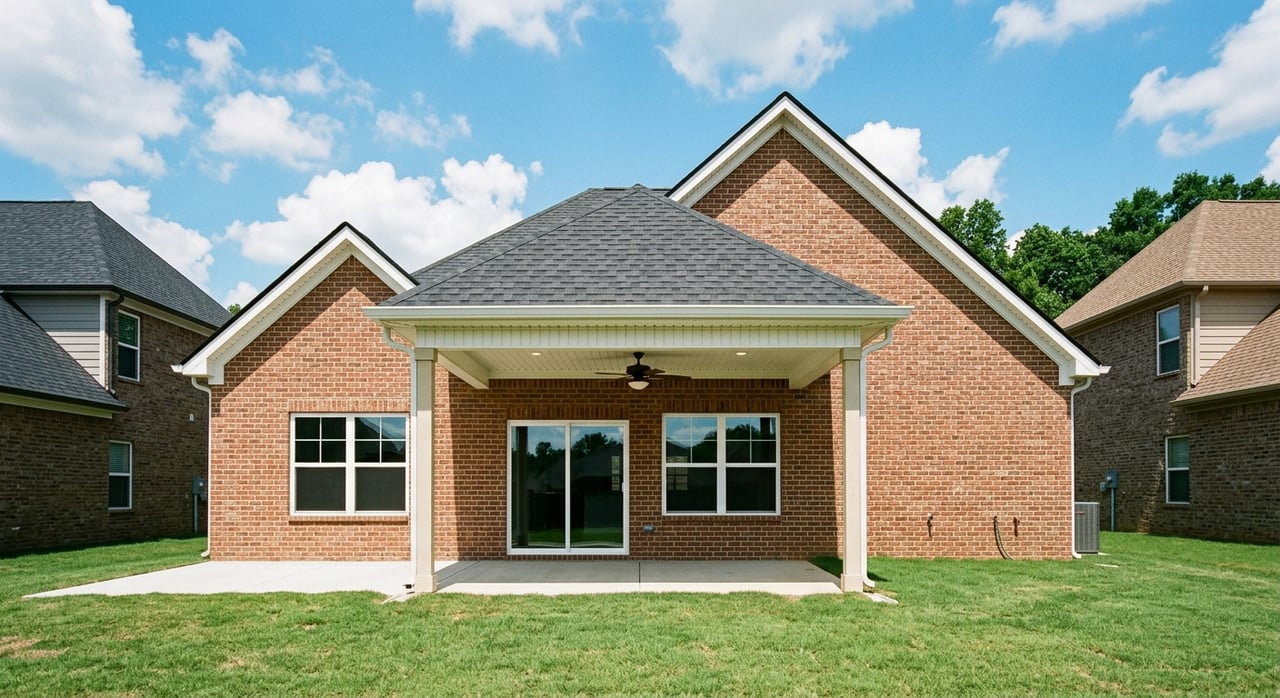
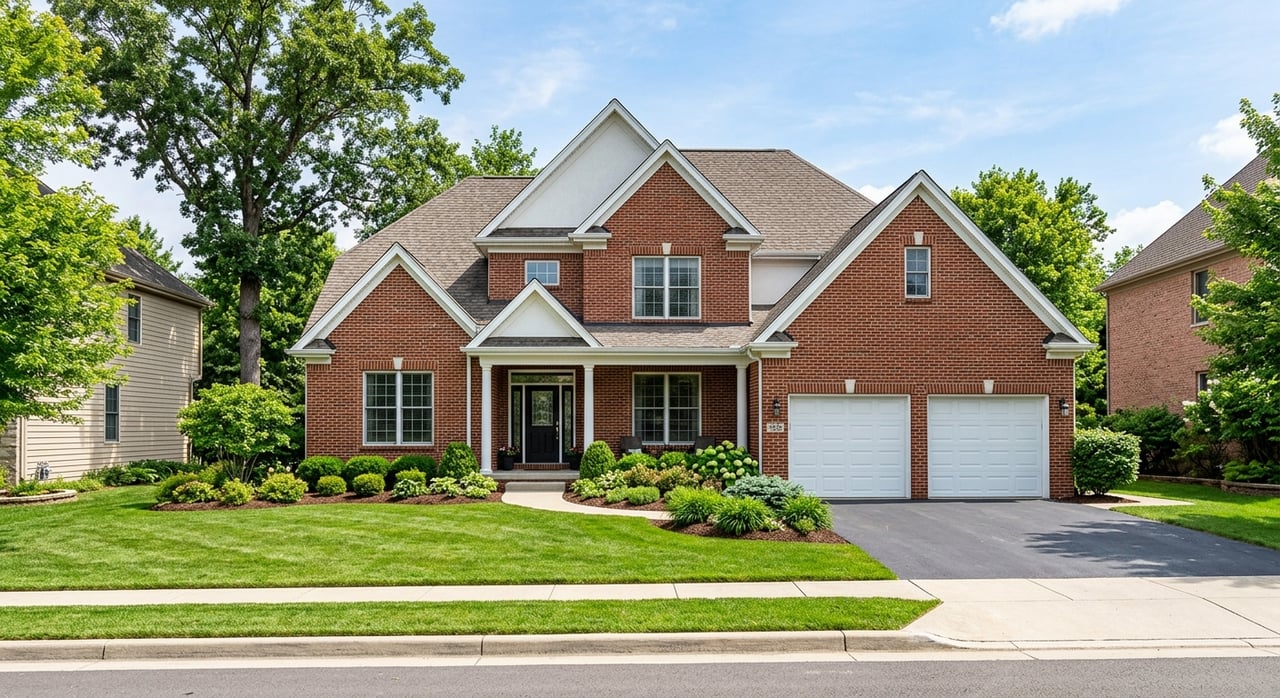
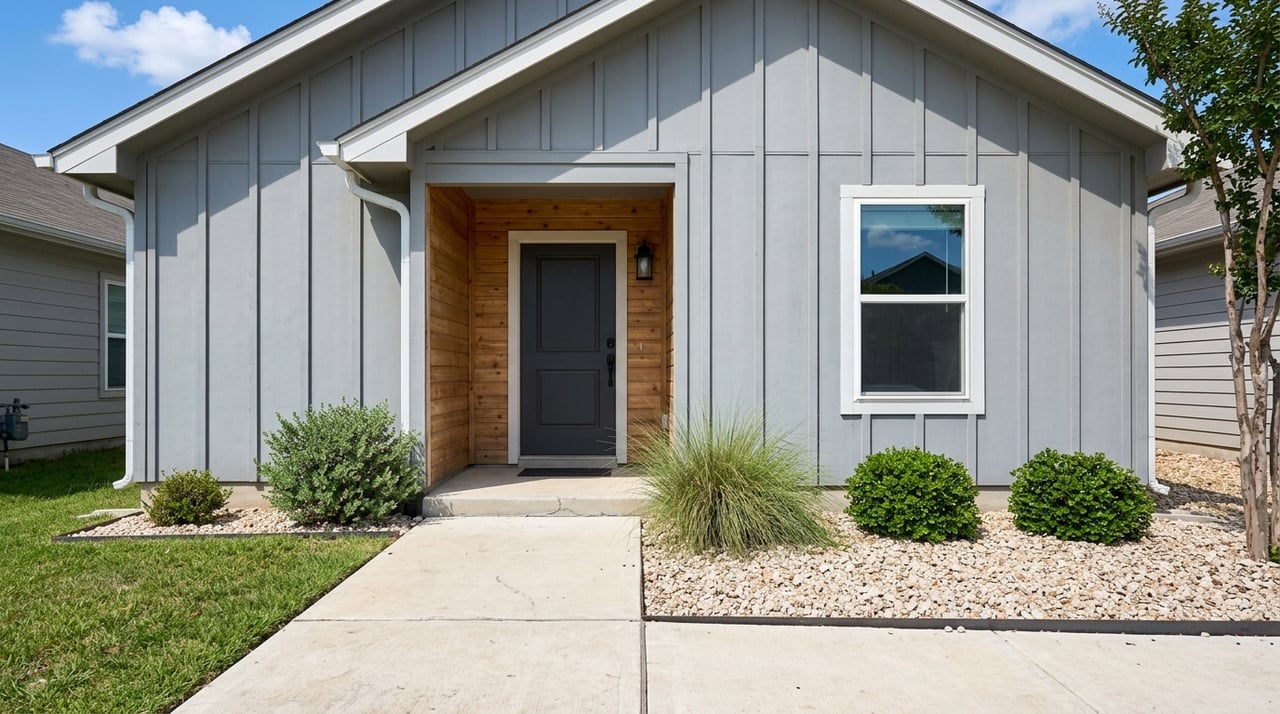
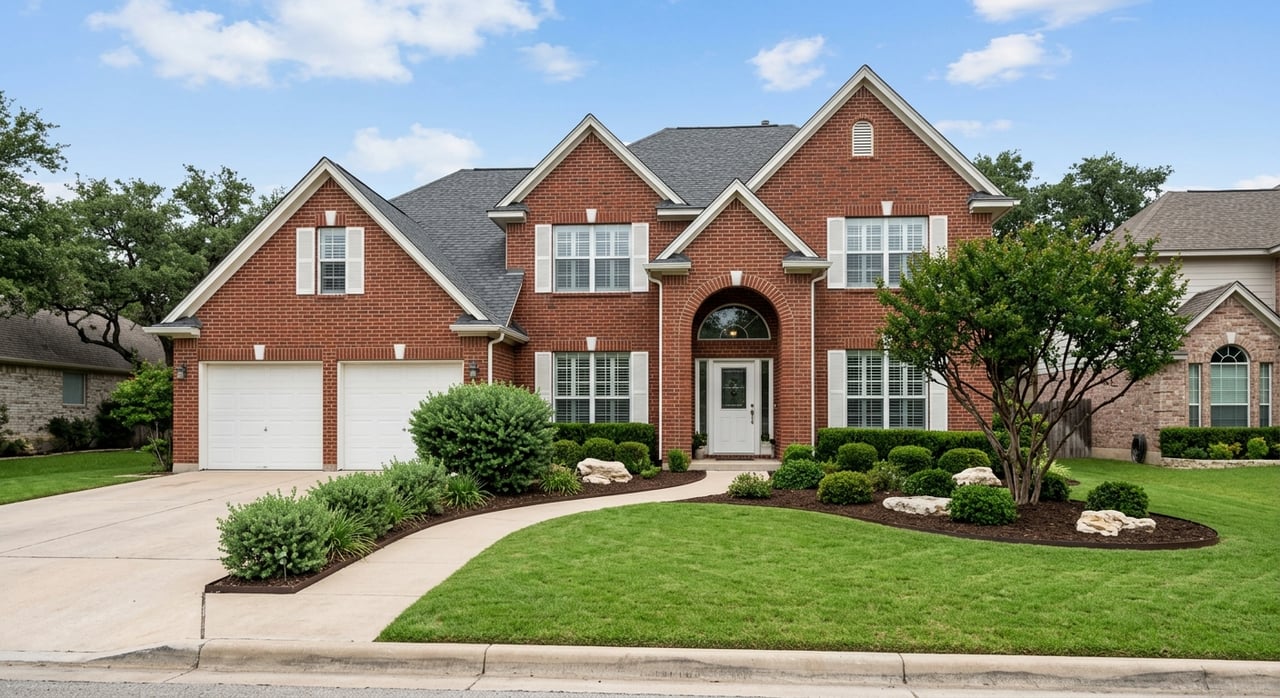
Bedford is an established, largely built-out suburb. According to the city, limited land remains for development, and most homes were built in the 1970s and 1980s.
The community assessment notes that only about 20% of homes were built since 1990. It also says older residential areas are generally south of SH 121/SH 183, while newer development has concentrated north of the corridor.
This matters if you are thinking about neighborhood character and housing expectations. In Bedford, growth tends to happen through redevelopment and infill along established corridors rather than through large waves of brand-new subdivisions.
What Living in Bedford Feels Like
Bedford’s convenience comes from proximity and corridor access. Many errands, meals, medical visits, recreation stops, and service trips can stay local, while Fort Worth, Dallas, and DFW Airport remain within practical reach.
That setup can be a strong fit if you want a suburb with a stable residential base and a location that supports both local routine and regional mobility. Bedford is home to 47,958 residents, according to Census QuickFacts, which reflects a mature city with established infrastructure and everyday functionality.
If you are weighing Bedford against other Mid-Cities locations, the big question is often not whether it has everything in one place. It is whether it makes ordinary life easier, and for many buyers, the answer is yes.
If you want help comparing Bedford with nearby DFW suburbs or finding the right fit for your commute and lifestyle goals, Amanda Beames is here to help.
FAQs
How convenient is daily life in Bedford, TX?
- Bedford offers strong day-to-day convenience through established retail corridors, grocery options, restaurants, parks, the library, recreation facilities, and local medical providers.
How long is the average commute from Bedford, TX?
- Census QuickFacts lists Bedford’s mean travel time to work at 24.5 minutes for workers age 16 and older.
Can you commute from Bedford, TX to Fort Worth or Dallas?
- Yes. Bedford sits between Fort Worth and Dallas, with downtown Fort Worth about 14 miles away and downtown Dallas about 22 miles away.
Does Bedford, TX have public transit options?
- Yes. HEB Transit serves Bedford for work and work-related trips and connects riders to TRE stations at CentrePort/DFW Airport and Hurst/Bell.
Is Bedford, TX close to DFW Airport?
- Yes. Bedford is about 5 miles west of DFW Airport, which is one of the city’s most practical location advantages.
Is Bedford, TX still growing?
- Bedford is growing mainly through redevelopment and infill along established corridors rather than large new subdivision growth.