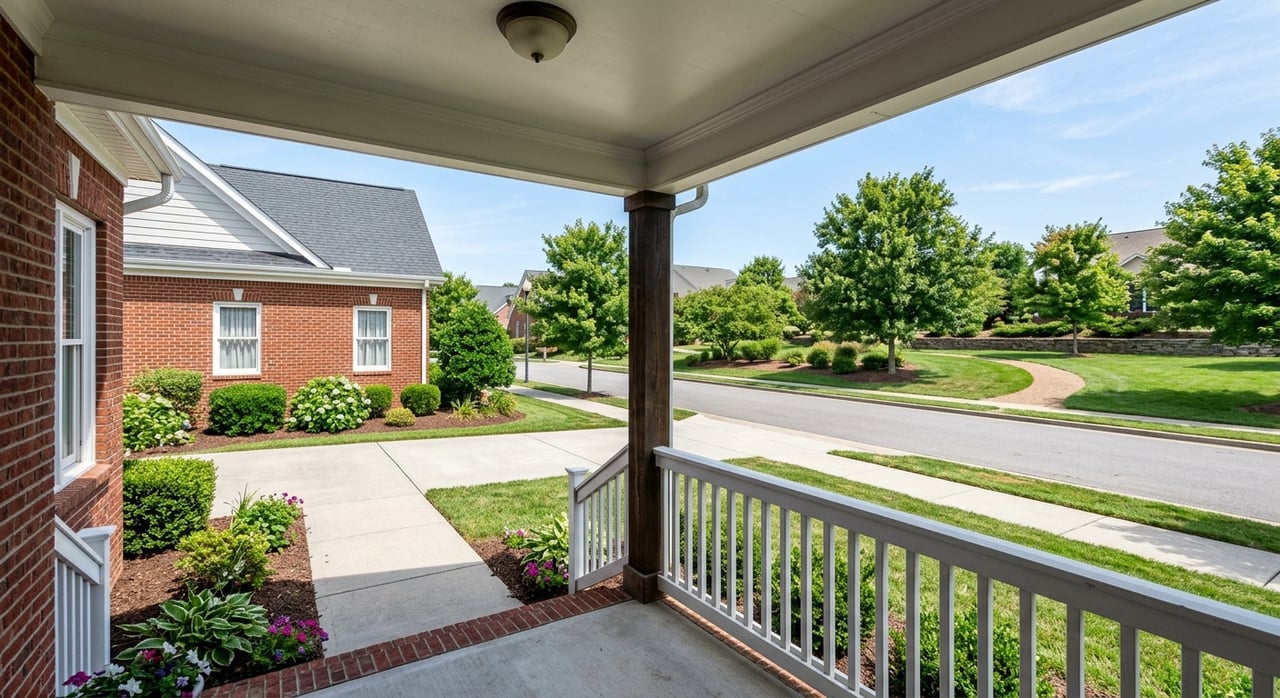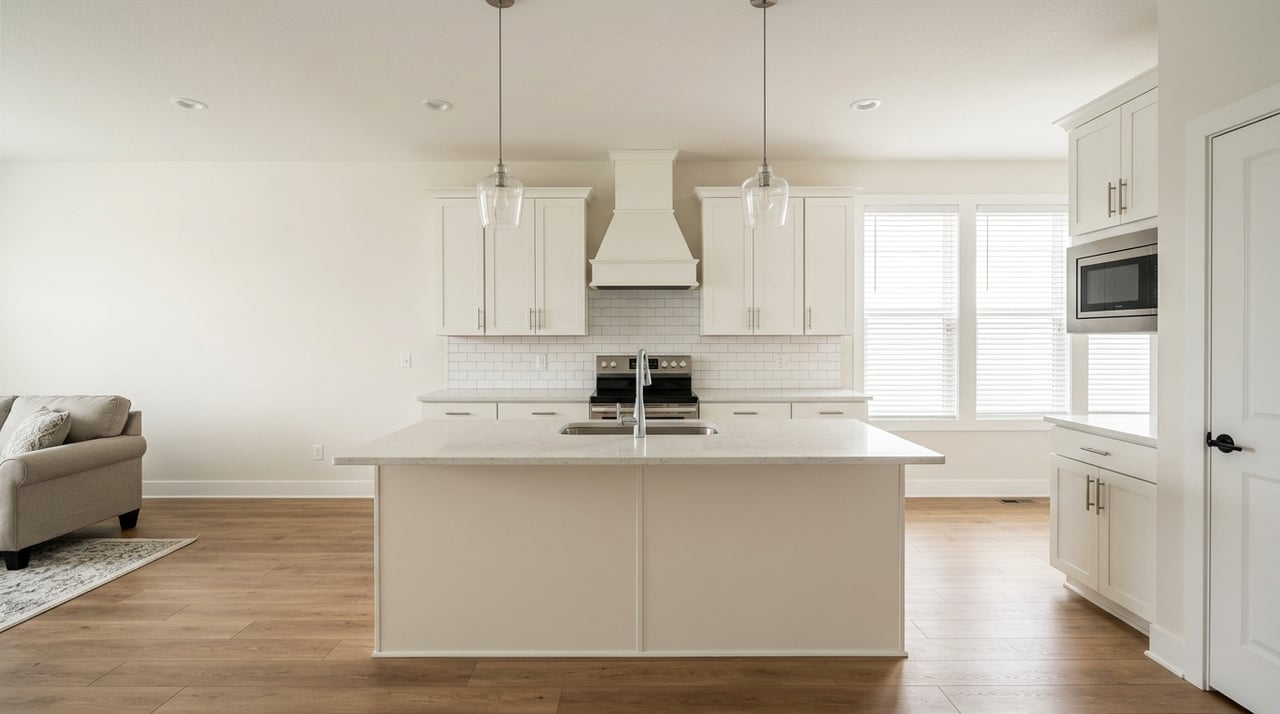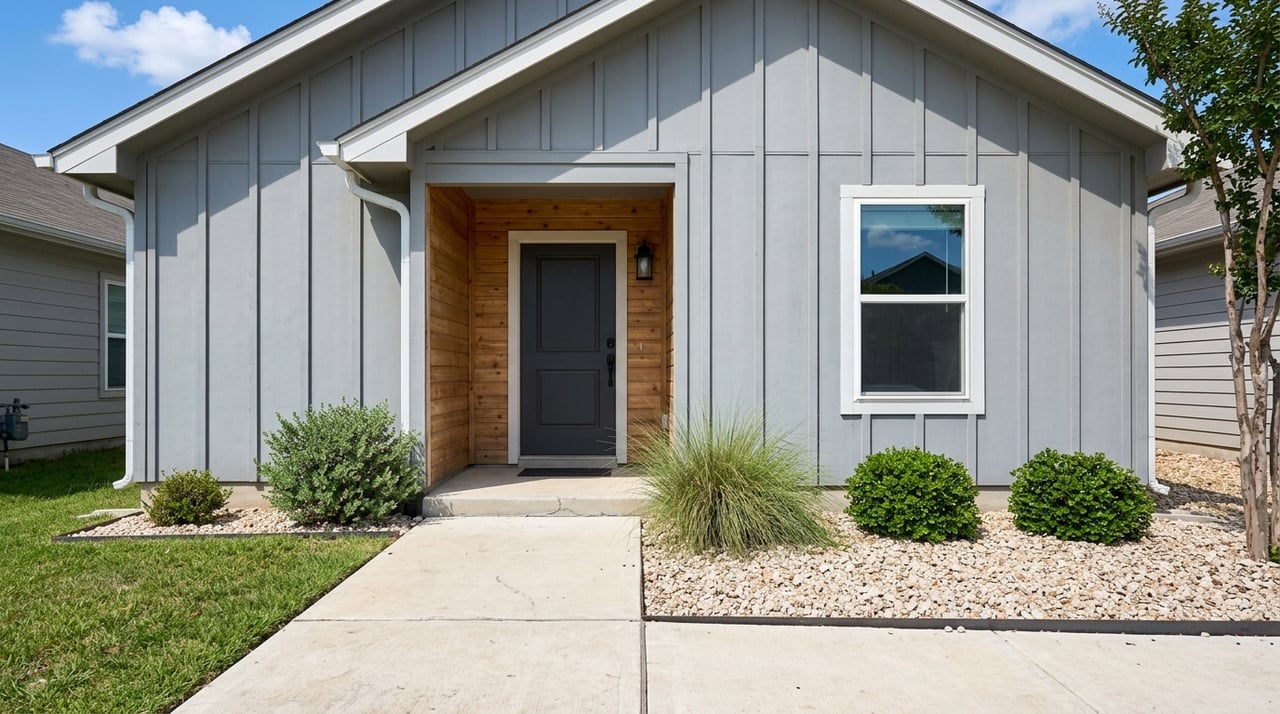
Wondering how to downsize in Keller without turning your life upside down? If you have lived in your home for years, this move is often about more than square footage. It is about timing, taxes, paperwork, and making sure your next home truly fits this next chapter. The good news is that with a clear plan, you can sell and buy with far less stress. Let’s dive in.
Why downsizing makes sense in Keller
Keller is a market where many long-term owners may have built substantial equity over time. Census estimates show a high owner-occupied housing rate of 83.5%, a median owner-occupied home value of $594,300, and 16.8% of residents age 65 or older. That lines up closely with the needs of empty nesters, retirees, and homeowners who want less upkeep.
Recent market data also points to a strong price environment. Redfin reported a March 2026 median sale price of $654,950 and average marketing time of 26 days, while Zillow reported an average home value of $655,788 and median days to pending of 14. Those figures use different methods, but together they suggest Keller remains a competitive, fast-moving market.
For many homeowners, that creates an opportunity. If you have owned your home for a long time, downsizing may let you unlock equity and shift into a home with lower maintenance or a simpler layout. NAR’s 2025 buyer and seller data found that 54% of repeat buyers used proceeds from the sale of a previous home to help finance the next purchase.
Start with a three-step downsizing plan
Downsizing tends to go more smoothly when you treat it like a sequence, not a single event. In Keller, the clearest path is to prepare your current home for the market, confirm your tax and homestead details before you move, and line up your next home or temporary housing before accepting an offer.
That order matters because Keller homes can move quickly. If your home sells faster than expected, you do not want to be making tax decisions, financing choices, and moving plans all at once. A little preparation up front can save a lot of stress later.
Step 1: Get your current home market-ready
A smaller move usually begins with a bigger sorting project than expected. Before listing, focus on the basics first: declutter, clean thoroughly, store extra items, and tackle visible repairs. NAR’s consumer guidance also recommends gathering warranties and manuals and improving curb appeal so the home shows well online and in person.
A pre-sale inspection is optional, but it can be useful if you want fewer surprises during negotiations. NAR notes that it may uncover issues with the roof, HVAC, plumbing, electrical, insulation, or other systems before a buyer does. That can help you decide what to fix now and what to price around.
Staging can also be worth serious consideration. In NAR’s 2025 staging report, 83% of buyers’ agents said staging made it easier for buyers to visualize the home. The same report found that 49% said staging reduced time on market, and 29% said it increased the dollar value offered by 1% to 10%.
In a market like Keller, speed matters. With homes moving in roughly 14 to 26 days based on current trackers, waiting until your home is listed to start sorting and prep can put you behind. Redfin also reports that 31.7% of Keller listings have price drops, which is a reminder that strong equity should still be paired with realistic pricing.
Step 2: Understand your tax picture before moving
One of the most overlooked parts of downsizing in Keller is property tax planning. In Texas, school districts must provide a $140,000 general residence homestead exemption. Homeowners age 65 or older or disabled also receive an additional $60,000 school-district exemption.
Local exemptions matter too. The City of Keller’s FY 2025-26 property tax sheet lists a combined rate of $1.835680 per $100 of taxable value, with Keller ISD making up 59.1% of that total. The same city document lists a local homestead exemption equal to 20% of appraised value, with a minimum $5,000 exemption, plus a $40,000 over-65 exemption for the city levy.
If you qualify for an over-65 or disability tax ceiling, moving does not always mean losing that benefit entirely. Tarrant Appraisal District says those ceilings can transfer to a new qualified homestead in Texas at the same percentage of tax paid. That is an important detail to confirm early if your goal is lowering monthly housing costs, not just buying a smaller house.
There is also a difference between staying put and moving. Tarrant Appraisal District notes that a homestead cap generally limits annual appraised-value growth to 10%, unless improvements are added. If you are comparing the cost of keeping your current home versus downsizing, that cap should be part of your long-term carrying cost review.
Step 3: Line up your next home early
Many downsizers assume the hard part is selling. In reality, the bigger challenge is often coordinating the sale with your next move. Consumer guidance from the CFPB says homeowners normally try to sell their current home before buying another one.
That sell-first approach can reduce risk, especially if you want to use your sale proceeds for the next purchase. It also gives you a clearer picture of your budget before you commit to another home. At the same time, it takes planning because you need to know where you will go if your current home sells quickly.
The CFPB also recommends shopping loan options and homes at the same time, getting preapproval, and comparing the full monthly payment rather than focusing only on price. For downsizers, that monthly number often matters most. A lower-maintenance home is helpful, but your payment, taxes, insurance, repairs, and moving costs all affect whether the move really feels easier.
What costs to plan for
Downsizing does not always mean spending less right away. The purchase price may be lower than your current home, but the total cost of the move includes several pieces.
According to the CFPB, you should budget for:
- Down payment
- Closing costs
- Moving costs
- Repairs
- New furniture
- Insurance
- Property taxes
- Other ownership expenses
If you are using equity from your sale, map out those costs before you list. That helps you understand how much flexibility you have on your next purchase and whether temporary housing might make the move easier.
Paperwork that matters most
When you are downsizing, the right paperwork can help protect your timeline and your tax benefits. Tarrant Appraisal District says homestead applicants should use a Texas driver’s license or personal identification certificate that matches the homestead address. If you plan to transfer or apply for exemptions, that detail matters.
Your key documents may include:
- Homestead exemption records
- Over-65 or disability exemption documentation, if applicable
- Texas ID with the matching homestead address
- Prior tax records for reference
- Closing documents from your sale and purchase
Timing matters as well. The Texas Comptroller says most exemption applications are due April 30. The Comptroller also notes that age-65 homeowners may file up to two years after turning 65, and late general residence homestead applications can be filed up to two years after the taxes become delinquent.
How to reduce stress during the move
A downsizing move is part financial project and part emotional project. Many Keller homeowners have spent years in the same house, and that means every room may carry memories, furniture decisions, and unfinished to-do lists. Giving yourself structure can make the process feel much more manageable.
A practical way to reduce stress is to break the move into small decisions. Start with what you are keeping for your next home, what you plan to donate, what needs repair before listing, and what can go into storage short term. Once those decisions are underway, the sale and purchase timelines become easier to manage.
It also helps to work with a clear local strategy. In a market where homes move quickly, presentation, pricing, and timing all matter. Having a plan for photos, showing readiness, and the next purchase can make the difference between a smooth transition and a rushed one.
Why local guidance matters in Keller
Downsizing is never just about buying less house. In Keller, it also means understanding a fast-moving local market, knowing how city and school tax exemptions work, and planning carefully around your next purchase. That is where local guidance can make the process feel more organized.
Amanda Beames brings a client-first approach, strong Keller and DFW suburb knowledge, and polished listing presentation to help sellers and buyers move with confidence. If you are thinking about selling a larger home and finding a better fit for your next stage, Amanda Beames can help you build a smart plan from the start.
FAQs
Should I sell my Keller home before buying my next one?
- In many cases, yes. CFPB guidance says homeowners normally try to sell their current home before buying another one, which can help you use your proceeds and reduce financial pressure.
How fast are homes selling in Keller right now?
- Current market trackers suggest Keller is moving quickly, with Redfin reporting about 26 days on market and Zillow reporting a median of 14 days to pending.
What should I do before listing a home for downsizing in Keller?
- Start with decluttering, deep cleaning, storing excess items, handling obvious repairs, and considering staging. A pre-sale inspection is optional but may help uncover issues before buyers do.
What property tax exemptions matter for Keller downsizers?
- Texas school districts must provide a general residence homestead exemption, and additional exemptions may apply for homeowners age 65 or older or disabled. Keller also lists local homestead and over-65 exemptions for the city levy.
Can an over-65 tax ceiling transfer to a new Texas homestead?
- Yes. Tarrant Appraisal District says over-65 and disability ceilings can transfer to a new qualified homestead in Texas at the same percentage of tax paid.
What paperwork should I gather for a Keller downsizing move?
- Focus on your homestead exemption records, any over-65 or disability documentation, and a Texas driver’s license or ID that matches the homestead address, along with your closing documents and tax records.