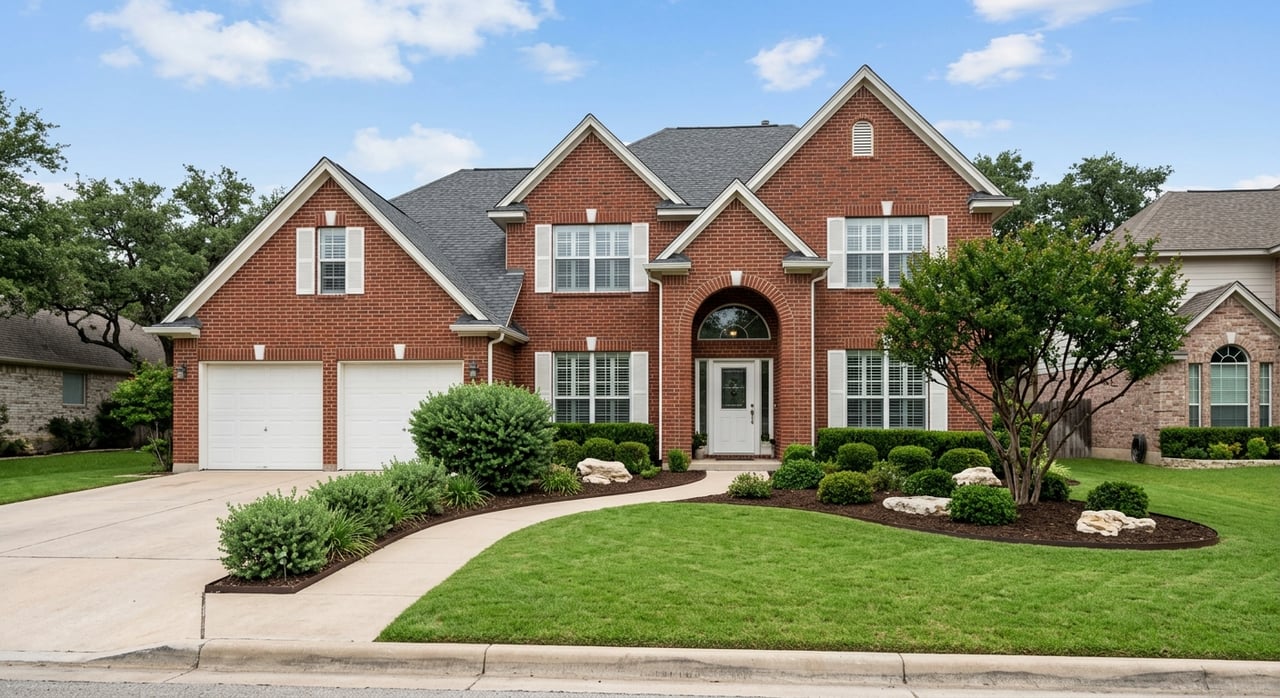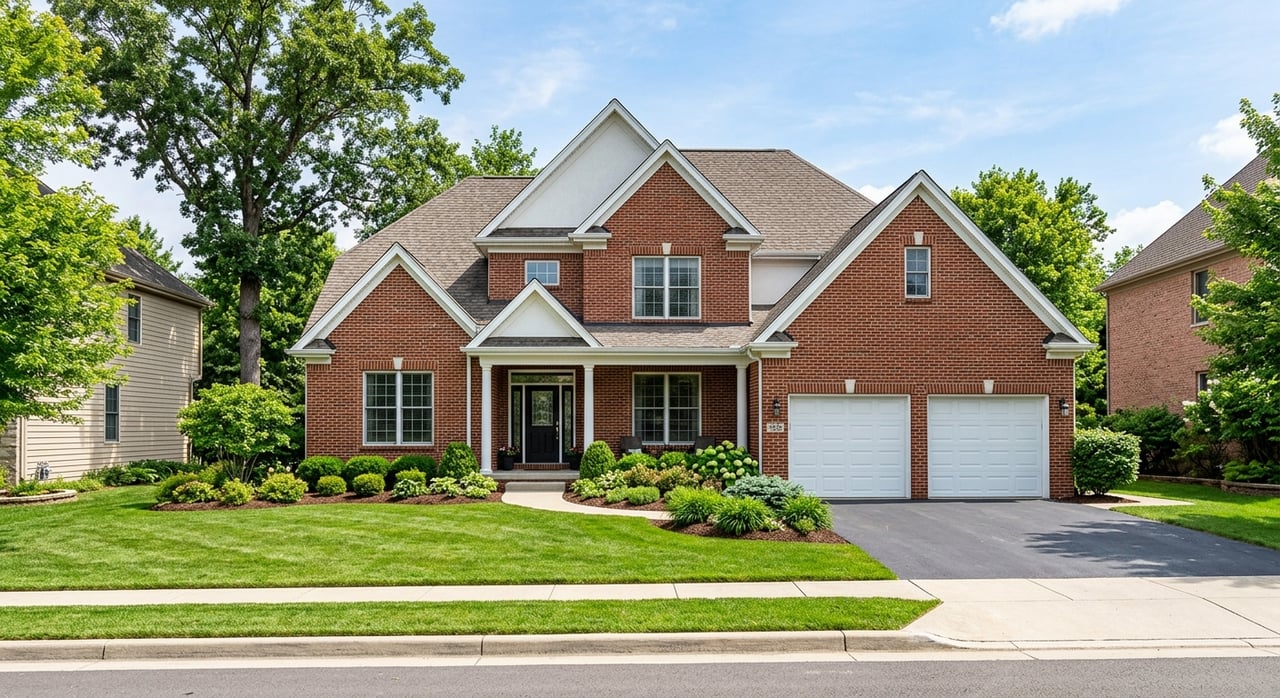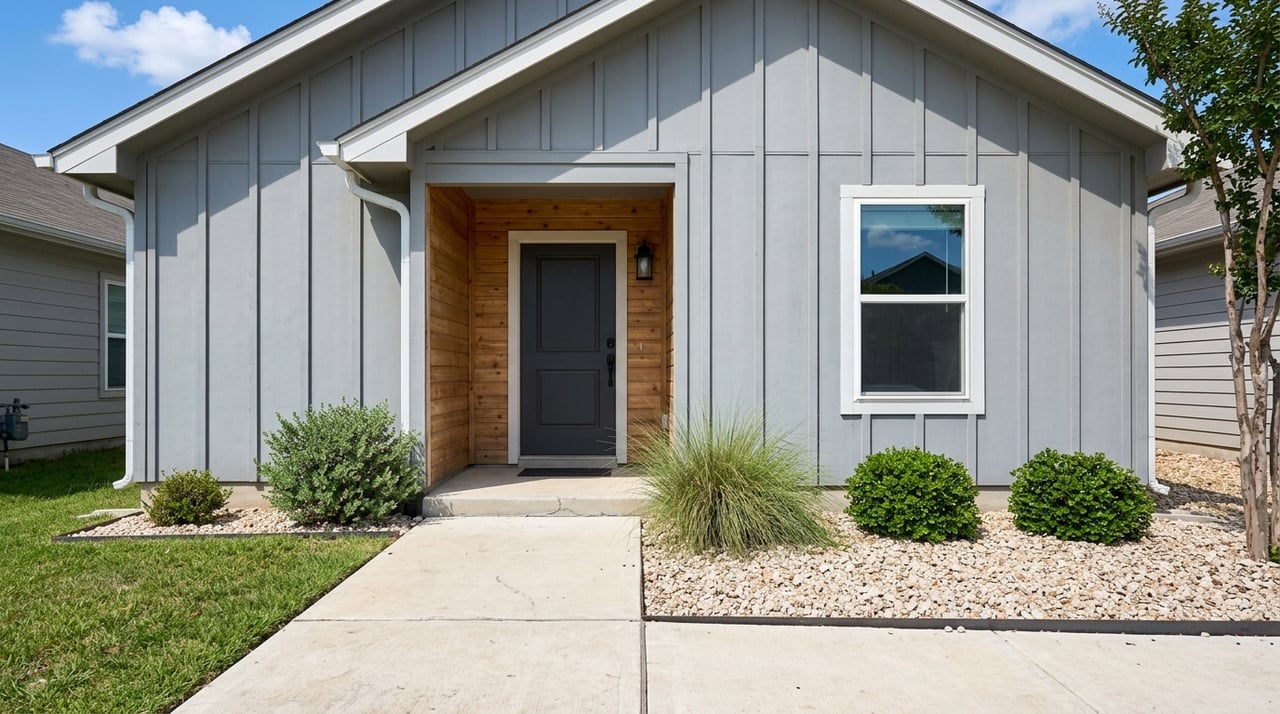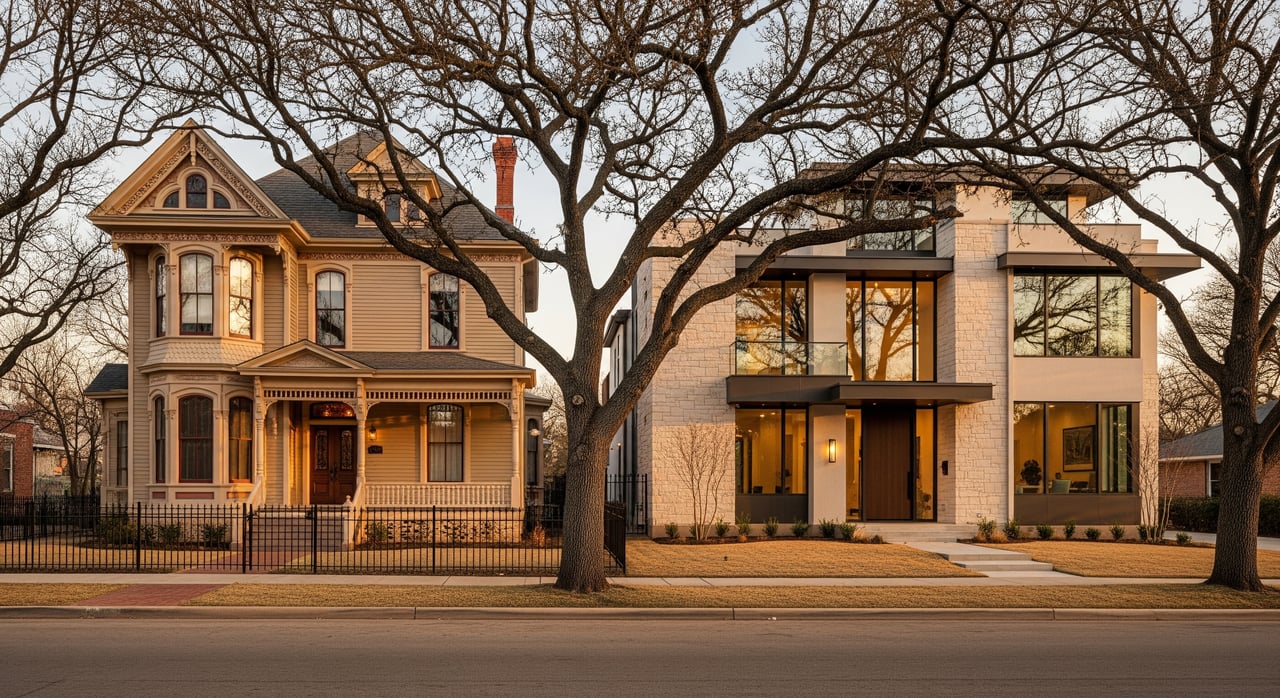
Torn between a gingerbread-trimmed Victorian near the courthouse and a move-in-ready home in a master-planned subdivision? You are not alone. In Waxahachie, the choice often comes down to charm versus turnkey convenience, with real tradeoffs on maintenance, efficiency, rules, financing, and resale. This guide gives you a clear, local framework to compare both paths so you can buy with confidence. Let’s dive in.
Waxahachie housing at a glance
Waxahachie blends a compact, historic downtown and late-19th to early-20th-century homes with newer suburban neighborhoods on the town’s edges. You will see character-rich streets near the courthouse alongside modern floorplans, sidewalks, and amenities in recent developments. Many buyers also weigh commute times to Dallas, Mid-Cities, and other DFW employment centers when picking a neighborhood.
Local demand across North Texas has supported both the appeal of walkable, historic districts and the continued growth of new homes. If you are comparing, you are balancing lifestyle, upkeep, and long-term value, not just style or square footage.
Historic homes: what to expect
Character and location
Historic neighborhoods near downtown often offer walkability, unique architecture, mature trees, and an established streetscape. That sense of place can be a major draw and may support resale if buyer demand for character homes stays strong. If a property is inside a local historic district, exterior changes typically require review to protect neighborhood character. Confirm the status with the City of Waxahachie Planning and Historic Preservation staff before you plan projects.
Maintenance and systems
Older homes can be wonderfully built and still need steady care. Expect to evaluate and budget for:
- Structural items such as settling, foundation cracks, and drainage.
- Roofing and chimney condition, including flashing and mortar.
- Electrical capacity and wiring types in very old homes.
- Plumbing materials, including older galvanized lines or cast-iron drains.
- HVAC age and distribution, plus duct sealing.
- Potential lead-based paint in pre-1978 homes and possible asbestos in some older materials.
- Termites and moisture in crawlspaces.
- Specialized repairs for plaster, original woodwork, and windows.
The bottom line: expect ongoing maintenance and plan for periodic larger projects. A healthy contingency reserve helps you update at a reasonable pace.
Efficiency and comfort
Older homes often start with lower insulation, single-pane windows, and original mechanical layouts. You can improve comfort with steps like attic and crawlspace insulation, duct sealing, high-efficiency HVAC, and weather-appropriate storm or historically sensitive window solutions. If efficiency matters to you, consider an energy audit to target upgrades while preserving historic features.
New construction: what to expect
Turnkey benefits
Newer homes typically offer:
- Lower immediate maintenance with new roof, systems, and materials.
- Current building code compliance for safety and structure.
- Builder warranties on structure, systems, and workmanship for defined periods.
If you want predictable costs in the first few years, turnkey convenience and warranties are compelling.
Efficiency out of the gate
New builds are generally constructed to recent energy codes and include modern HVAC and appliances. Better sealing and insulation can translate to lower utility bills and steadier indoor comfort compared with an unrenovated historic property.
HOA and community features
Many subdivisions include amenities such as trails or pools and have HOA guidelines for exterior changes and maintenance standards. Review covenants to understand rules on landscaping, additions, fences, or paint colors, and what services your dues include.
Rules and permits in Waxahachie
If a property is within a local historic district, exterior work like siding, windows, porches, and sometimes even paint colors can require review and approval before you pull permits. This process can add time and limit certain materials but helps maintain the district’s look and value. Ask the listing agent to confirm district status and request any guidelines, then verify with the City of Waxahachie Planning and Historic Preservation staff.
In newer subdivisions, HOA architectural review often governs exterior materials, additions, and landscaping. Request HOA documents early so you know what is allowed and how long approvals take.
Financing and appraisals
Conventional, FHA, and VA loans are common for both historic and new homes, subject to appraisal and property condition. If you plan meaningful updates to an older home, you may explore renovation financing, including FHA 203(k) Rehabilitation Mortgages, Fannie Mae HomeStyle Renovation loans, or VA renovation options for eligible buyers. Local bank construction loans may fit substantial structural work.
Appraisals for unique historic homes can be nuanced if recent comparable sales are limited. Thoughtful renovations can support value, but they must be reflected in suitable comps and appraiser judgment. Incentives for owner-occupied historic homes are limited at the federal level, though state or local programs and technical guidance may exist. Check with the Texas Historical Commission and local offices for current information.
Insurance, hazards, and resiliency
Older homes sometimes carry higher insurance premiums, especially if electrical, plumbing, or roofing needs updating. Your insurer may require certain upgrades before binding coverage. Always get quotes early and compare standard policies with any historic-home endorsements.
Review flood risk with FEMA mapping and local floodplain info. Some older neighborhoods are near creeks, so verify at the property level and consider mitigation like drainage improvements. Newer homes often benefit from modern wind and roof tie-down practices that can improve resilience in storms. In all cases, watch for termite risk common in Texas and schedule pest inspections and preventive treatments as needed.
Lifestyle, commute, and resale
Historic districts often prioritize walkability to downtown amenities and have a distinctive streetscape. Newer subdivisions tend to feature modern floorplans, garages, storage, and community amenities that support a low-maintenance lifestyle. Commute times to Dallas, Mid-Cities, and other DFW job centers, plus access to services and school zones, will factor into your choice.
Resale demand can be strong for both profiles. Character homes often attract buyers who value architecture and location. Newer homes appeal to buyers who want predictable maintenance and contemporary layouts. Choose the fit that aligns with your future buyer pool and your own lifestyle plans.
A simple decision framework
Use this quick framework to stress-test your choice:
- Priorities: Do you value walkability and original details or modern layouts and amenities more?
- Budget: Can you comfortably cover purchase price plus a realistic repair and upgrade reserve, or do you prefer minimal upfront work?
- Timeline: Are you prepared for permitting and phased projects, or do you need a fast, low-hassle move-in?
- Risk tolerance: Do you accept the surprises older homes can reveal, or do you prefer warranty-backed systems?
- Long-term plan: Will you enjoy project work over time, or do you want a home that is ready on day one?
Buyer checklist for tours and offers
If you are evaluating a historic home
- Request disclosures, permits for past work, and dates for roof, HVAC, electrical, plumbing, and foundation updates.
- Order a comprehensive home inspection with an inspector experienced in older homes.
- Add specialty checks as needed: structural engineer, termite and pest, HVAC evaluation, electrical safety, sewer scope, and testing for lead-based paint or asbestos if applicable.
- Consider an energy audit to pinpoint insulation and air sealing priorities.
- Confirm any historic-district designation and the process for exterior work approvals.
- Ask contractors for written estimates and timelines for planned updates; keep a strong contingency reserve for surprises.
If you are evaluating a new or recent build
- Confirm builder warranties and what they cover, and note start and end dates.
- Request final inspections and the certificate of occupancy; identify any punch-list items.
- Review HOA covenants, architectural rules, and dues inclusions.
- Ask for documentation on insulation values, HVAC specs, and any energy certifications.
Budgeting and financing
- Estimate total funds: purchase price plus immediate repairs and updates, 6 to 12 months of utilities and maintenance, and a contingency buffer.
- Speak with lenders early about renovation loans if substantial work is planned.
- Check with your lender and insurer about any required upgrades before closing or binding coverage.
What this looks like with a local guide
You do not have to figure this out alone. A local advisor can help you weigh commute and lifestyle fit, read inspection reports, price out renovations, review HOA or historic-district rules, and structure financing that matches your plan. With design and new-construction experience, you get practical guidance on builder specs, energy upgrades, and preserving original features where it matters.
If you are ready to compare your short list, reach out to schedule a walk-through strategy session. Connect with Amanda Beames to discuss your timeline and next steps.
FAQs
What makes Waxahachie’s historic homes different from newer builds?
- They offer unique architecture and walkable proximity to downtown, but often require more maintenance and may involve historic-district review for exterior changes.
Are historic homes in Waxahachie more expensive to insure?
- Insurance can cost more if systems are outdated; many insurers require updates to wiring, plumbing, or roofing before binding coverage. Get quotes early in the process.
Can I use a renovation loan for a Waxahachie historic home?
- Yes, programs like FHA 203(k), Fannie Mae HomeStyle, and some VA renovation options can fund repairs and upgrades, subject to program rules and lender availability.
How do HOA rules compare to historic-district rules?
- Historic districts typically regulate exterior changes to preserve character, while HOAs set community standards that can govern materials, additions, and landscaping in newer subdivisions.
What inspections should I order on an older Waxahachie home?
- Start with a comprehensive home inspection, then add specialty checks for foundation, pests, HVAC, electrical safety, sewer lines, and possible lead or asbestos based on age and materials.
Will a new home be more energy efficient than a historic home?
- Typically yes, because new homes are built to recent energy codes; however, targeted upgrades like insulation, duct sealing, and modern HVAC can meaningfully improve efficiency in older homes.