Thinking about buying land in Cleburne? You are not alone. Some buyers want a future homesite with room to grow, while others are looking for a long-term investment they can hold and resell later. The key is knowing that land in Cleburne is not one-size-fits-all, and a smart purchase starts with understanding zoning, utilities, platting, and the true cost to build or hold. Let’s dive in.
Why Cleburne land gets attention
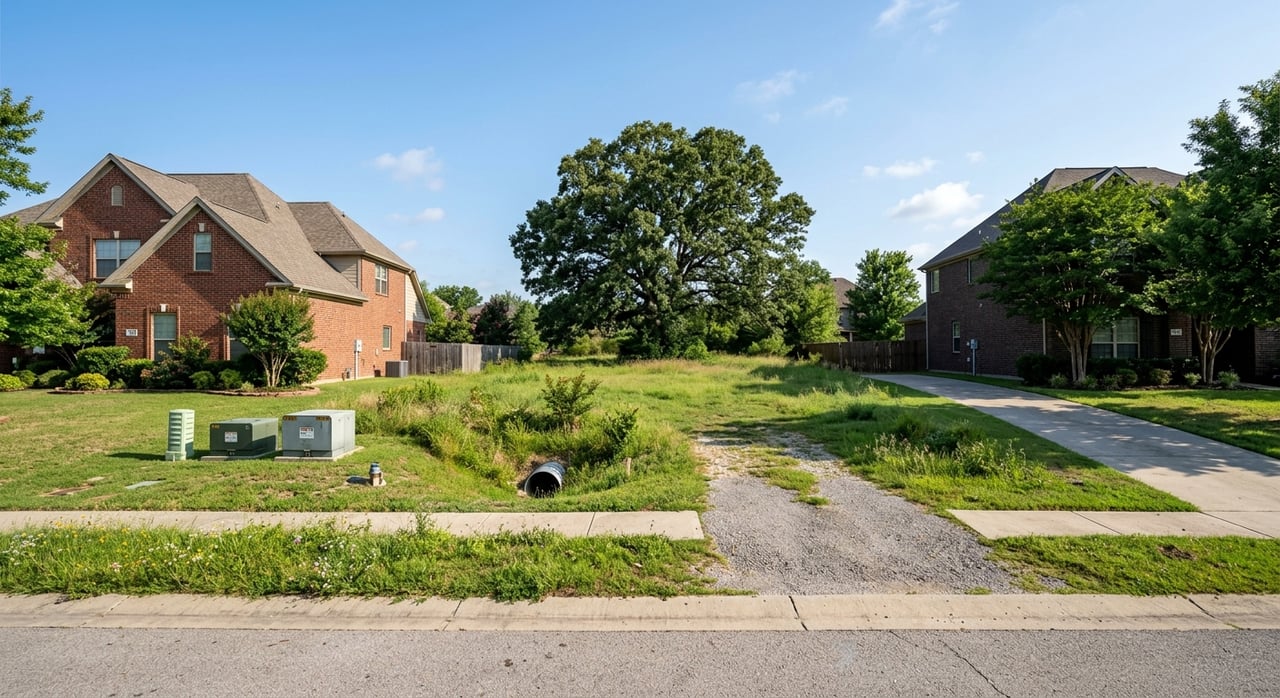
Cleburne offers a wide mix of land options, from small in-town lots to multi-acre rural tracts. Current listings show everything from lots under 5,000 square feet to parcels over 48 acres, which means your first step is getting clear on your goal before you start shopping.
If you want to build a home later, you may care most about buildability, utilities, and access. If you are buying for investment, resale potential, holding costs, and future development nearby may matter more. In either case, the details behind the listing matter just as much as the price.
What the land market looks like
Cleburne has broad land inventory rather than a tight, limited supply. Realtor.com currently shows 410 land listings within Cleburne’s residential boundaries, while a broader LandSearch search shows 942 properties near Cleburne.
Those search counts use different filters and map areas, so it is best to treat them as general market context, not an exact total. What they do show clearly is that buyers have a range of options to compare.
Here is a snapshot of the pricing range buyers may see in the market:
- Small lots: 4,704 square feet at $35,000, 6,360 square feet at $42,000, 9,801 square feet at $45,000, and a 0.44-acre lot at $20,000
- Small acreage: 0.77 acres at $55,000, 1 acre at $92,500, 1.16 acres at $34,000, 2.07 acres at $179,900, 2.38 acres at $158,000, and 5 acres at $194,900
- Larger tracts: 7 acres at $432,000, 20 acres at $499,900, 26.15 acres at $700,000, and 48.05 acres at $775,000
LandSearch also reports an average property size near Cleburne of 10.7 acres, an average list price of $412,865, a median list price of $89,900, and an average price per acre of $38,888. Again, these are directional numbers, but they help show how varied this market can be.
Match the parcel to your goal
Before you fall in love with a lot, decide what success looks like for you. A future homesite and an investment parcel can overlap, but they are not always the same thing.
If you plan to build a home, focus on whether the parcel is realistic for that plan now or within your timeline. That means checking zoning, lot size rules, utility access, and whether the property is platted.
If you are buying as a long-term hold, think about how easy the property may be to understand for a future buyer. Parcels with clear zoning, recorded plat status, and existing utility access are often easier to resell because buyers can estimate their costs and next steps more confidently.
Check city limits versus ETJ first
One of the most important questions in Cleburne land purchases is whether the property is inside city limits or in the ETJ, which is the city’s extraterritorial jurisdiction. Cleburne states that its ETJ extends 2 miles.
That difference affects how the property is regulated. In the ETJ, the city says zoning, land use rules, city ordinances, non-city utilities, and sanitation services do not apply, although land division is still regulated through subdivision rules.
Inside city limits, zoning rules and other local standards apply more directly. For buyers, that can mean more clarity on what is allowed, but it can also mean more specific requirements to review before you buy.
Understand zoning before you buy
Within Cleburne city limits, land is assigned to a zoning district. That zoning district affects what can be built and the lot standards that apply.
For example, the A Agricultural District is intended for crops, livestock, and related agricultural businesses, and it has a 2-acre minimum lot area. Single-family residential districts range from SF-6 to SF-20, with minimum lot areas running from 6,000 square feet in SF-6 to 20,000 square feet in SF-20.
That matters because two parcels that look similar online may have very different building options. A lot that seems affordable at first glance may not fit your plans if the current zoning, minimum lot size, or allowed uses do not match what you want to do.
Overlays can add another layer
Cleburne also uses overlay districts and special districts. These can add design standards or other requirements beyond the underlying zoning.
The city code includes overlays such as Main Street, Henderson Street, Cleburne Station, Freeway, Historic, Downtown Core, Downtown Transition, Neighborhood Transition, and Airport. In some cases, the overlay still defers allowed use to the underlying zoning district, but you should not assume the base zoning tells the whole story.
Future land use is not the same as zoning
This is a common point of confusion for land buyers. Cleburne’s Future Land Use Plan is a planning guide, not a zoning rule.
The city uses it as a high-level tool when judging whether a rezoning request fits the surrounding area. It can be useful for understanding long-term planning direction, but it does not tell you what you can build today.
Utilities can change the real cost fast
Utility access is one of the biggest practical issues when buying land in Cleburne. A low purchase price does not always mean a low total cost.
Within city-owned utility boundaries, Cleburne provides water to residents, commercial properties, and industries. For ETJ parcels, water may come from the City of Cleburne, Bethesda Water Supply Corporation, Undine Texas, Parker Water Supply Corporation, the Johnson County Special Utility District, or water wells.
Sanitary sewer for ETJ land may be available only if infrastructure already exists. Oncor provides electric service in the city.
Tap and connection costs matter
If a parcel needs utility connections, published fees can add to your budget. Cleburne’s schedule shows a 3/4-inch water tap plus meter at $1,099.40 and a 4-inch wastewater tap at $860.00, with larger meter sizes costing more.
These are the kinds of numbers that can change how you compare one lot to another. A parcel with existing utility access may be more attractive than a cheaper lot that requires more setup and more uncertainty.
Platting, restrictions, and county records matter
A land listing may look straightforward, but the paper trail behind it is critical. In Johnson County, subdivision rules require a copy of deed restrictions and covenants to accompany the plat.
Those documents help notify owners about important issues such as floodway limits, finished-floor elevation for low lots, private sewage facility limits, driveway culverts, drainage easements, and 100-year floodplain standards. These are not minor details. They can affect where and how you build, what site work may be needed, and whether the property fits your plans at all.
The county also states that on-site sewage performance cannot be guaranteed. If the property will rely on septic, owners remain responsible for maintaining the system in compliance with applicable rules.
Do not skip record research
The Johnson County Clerk records deeds, plats, liens, and other real property records. The county also notes that its online database is not the official complete repository and that staff cannot perform title searches or property-restriction research for you.
For platted land, Johnson County requires original tax certificates from each taxing unit showing no delinquent ad valorem taxes. That is another reminder that land due diligence often involves more than reviewing a listing sheet.
What helps land hold value over time
If you are buying land as an investment, think about what will make the parcel easier to market later. Buyers tend to respond well to land that has fewer unknowns.
In practical terms, that often means clear zoning, known plat status, utility access, and a better understanding of floodplain, drainage, and septic issues. When future buyers can predict buildability and setup costs, resale conversations usually become simpler.
Cleburne’s active development map can also help you understand what is happening nearby as projects are approved and construction moves forward. For a long-term hold, surrounding growth may influence future resale demand.
Understand carrying costs and ag valuation
Texas does not have a state property tax. Local taxing units set tax rates, and appraisal districts value property.
For agricultural or open-space land, Texas allows productivity appraisal instead of market-value appraisal in some cases. That can lower carrying costs, but the land must actually qualify, and the qualifying use must be maintained.
If the land changes to a non-agricultural use, rollback tax can apply for the previous three years. If you are buying acreage with long-term plans to build or redevelop, that potential cost should be part of your analysis from the beginning.
A smart due diligence checklist
When you buy land in Cleburne, the goal is not just finding a parcel you like. It is confirming that the property works for your plan and your budget.
Use this checklist as a starting point:
- Confirm whether the parcel is inside Cleburne city limits or in the ETJ
- Verify the current zoning district and any overlay districts
- Check minimum lot size and other dimensional standards
- Identify the water provider and whether sewer is available
- Estimate tap fees, impact fees, and utility setup costs
- Review recorded deed restrictions, covenants, and plat status
- Check floodplain, drainage, and driveway access issues
- Evaluate septic feasibility if sewer is not available
- Review county real-property records before closing
- Consider nearby development activity if resale potential matters to you
Why local guidance helps with land purchases
Buying land usually involves more moving parts than buying an existing home. You are not only evaluating location and price. You are also trying to understand what can be done with the property, what it may cost to prepare, and how those factors affect future value.
That is where strong local guidance can make a difference. When you have someone helping you compare lots, review market context, and ask the right questions early, you can avoid expensive surprises and make a more confident decision.
If you are considering land in Cleburne for a future home or investment, Amanda Beames can help you evaluate your options and move forward with a clear plan.
FAQs
What should you check before buying land in Cleburne?
- Start with city limits versus ETJ, then verify zoning, overlays, utility access, plat status, deed restrictions, floodplain or drainage issues, and septic feasibility if sewer is not available.
How much does land cost in Cleburne?
- Listings in Cleburne currently range from small lots around $20,000 to larger tracts priced well into the hundreds of thousands, depending on size, location, and property setup.
Does zoning matter when buying a future homesite in Cleburne?
- Yes. Within city limits, zoning affects allowed uses and lot standards, and overlay districts may add more requirements beyond the base zoning.
Is ETJ land in Cleburne different from land inside the city?
- Yes. Cleburne says zoning, land use rules, city ordinances, non-city utilities, and sanitation services do not apply in the ETJ, though subdivision rules still matter.
Are utility costs important when buying land in Cleburne?
- Yes. Water and wastewater connection fees can materially change your total cost, and ETJ parcels may have different providers or require wells, septic, or existing infrastructure.
Can agricultural valuation reduce holding costs on Cleburne land?
- It can in some cases if the land qualifies and the qualifying use is maintained, but a later change to non-agricultural use can trigger rollback tax for the previous three years.