YOUR NEXT CHAPTER DESERVES A STRATEGY BUILT FOR IT.
Selling a home in a Dallas-Fort Worth active-adult or 55+ community isn’t quite the same as selling a home in a traditional neighborhood. There are details that matter here. HOA structures. Community amenities. Maintenance services. Age restrictions. Condo documents. Insurance. Assessments. Tax considerations. Financing options available to potential buyers. And perhaps most importantly, understanding why someone chooses your particular community in the first place.
I’m Amanda Beames, and helping homeowners navigate active-adult communities and their next chapter is an important part of my real estate business. If you’re thinking about selling, downsizing, relocating closer to family or simply wondering what your home may be worth, I’d love to help.
AND YOUR COMMUNITY ISN’T JUST ANOTHER NEIGHBORHOOD.
One of the biggest mistakes an agent can make when selling a home in an active-adult community is marketing it exactly like every other house in Dallas-Fort Worth. Because buyers aren’t simply purchasing your square footage.
They’re choosing a lifestyle.
Your listing agent needs to understand those questions before the buyer ever asks them.
When I’m preparing a home for sale in a 55+ or active-adult community, I’m not only studying bedrooms, bathrooms, square footage and comparable sales.
Does the association maintain the front lawn? The entire yard? Does it provide irrigation or is the homeowner responsible for the water? What exterior maintenance is included? What amenities are included in the monthly assessment? Are there additional fees a buyer needs to understand?
Those details affect both the value proposition and the monthly cost of living in the community, and we need to communicate them clearly.
That distinction matters.
If your property is located within a condominium community, there can be another layer of documents, insurance considerations, association responsibilities and potential special assessments that buyers and their lenders may need to evaluate.
Understanding those details allows us to anticipate questions instead of discovering them in the middle of a transaction.
Texas homeowners may qualify for different property-tax exemptions depending on their circumstances, including the 65-or-older exemption.
We don’t give tax or legal advice, but we understand that taxes and exemptions can be an important part of the financial picture for buyers and sellers in active-adult communities.
When necessary, we’ll help identify the questions that should be directed to the appropriate appraisal district, tax professional, HOA or other qualified professional.
This is an area that is often overlooked. The potential buyer for a 55+ community may have very different financial circumstances than the typical first-time or move-up buyer. Some are selling a longtime home and purchasing with cash. Some are moving equity from one property into another. Some are relocating to Dallas-Fort Worth to be closer to their children and grandchildren.
Others may explore specialized financing strategies available to qualifying older homeowners, including FHA-insured HECMfor Purchase financing, which can allow an eligible buyer to purchase a home using a substantial down payment without a required monthly principal-and-interest mortgage payment. These options have specific eligibility requirements, costs and borrower obligations, so they’re something a qualified lender needs to explain.
But as your listing agent, I want to understand the different ways a qualified buyer may be able to purchase your home. Because the more we understand our potential buyer, the better we can market to them.
This is one of my favorite parts of marketing these homes. Two 55+ communities ten miles apart can offer completely different lifestyles. One might offer a true lock-and-leave condominium lifestyle. Another might consist of single-family homes where the association maintains portions of the landscaping. One community may revolve around a clubhouse, pickleball, swimming and an active social calendar.
Another may appeal to someone who simply wants a quieter neighborhood, lower-maintenance home and neighbors in a similar season of life. Those differences matter. We’re not simply selling the house. We’re telling the story of what life could look like there. And that means identifying the person most likely to connect with that story.
Maybe it’s someone downsizing from a 3,500-square-foot home who wants less maintenance but doesn’t want to give up beautiful finishes. Maybe it’s a couple relocating to North Texas because their first grandbaby just arrived. Maybe it’s someone who wants to travel and needs a lock-and-leave lifestyle. Maybe they’re looking specifically for single-story living. Or perhaps they’re ready for a community where neighbors actually know one another and there’s always something happening at the clubhouse.
Those buyers aren’t necessarily searching for the same thing. So I don’t believe their homes should all be marketed the same way. We determine what makes your home and your community special, identify the likely buyer and build our positioning around reaching them.
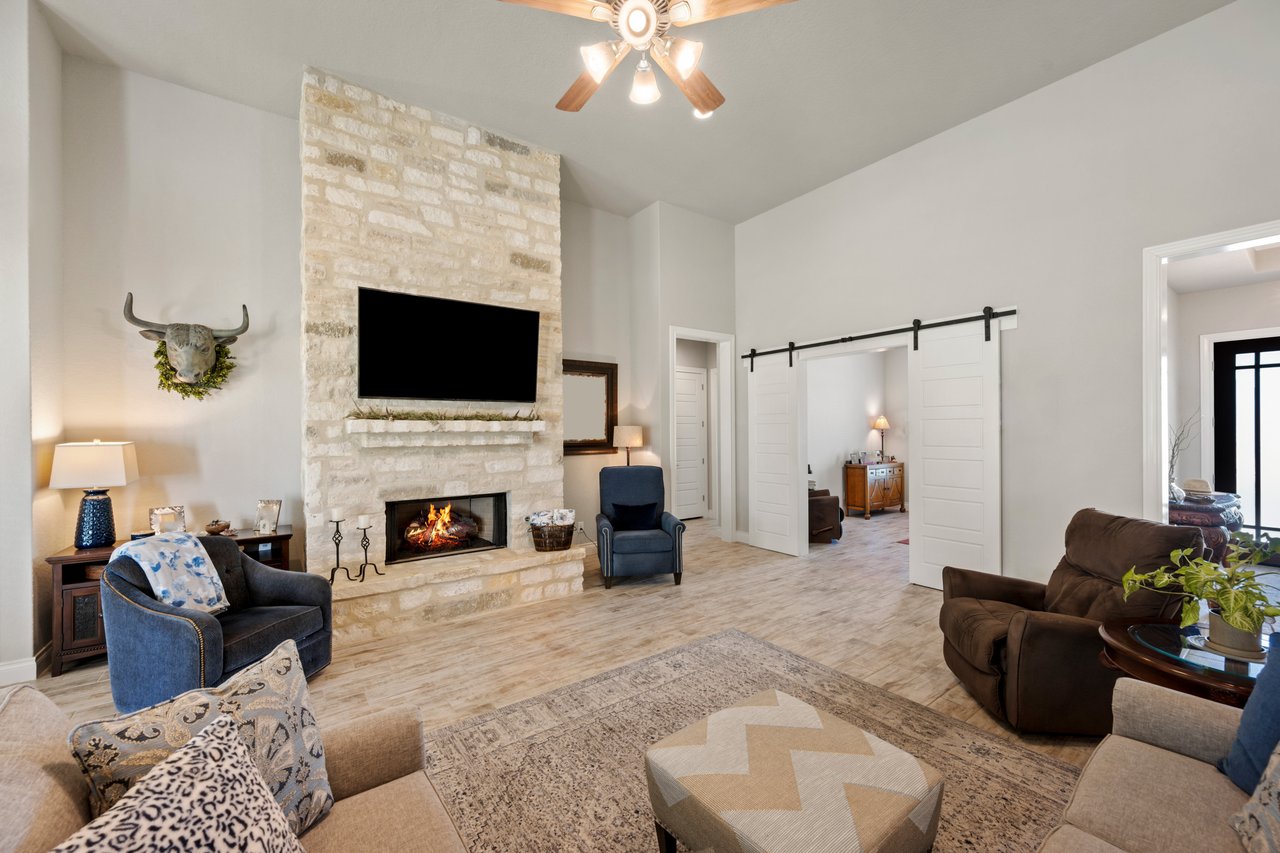
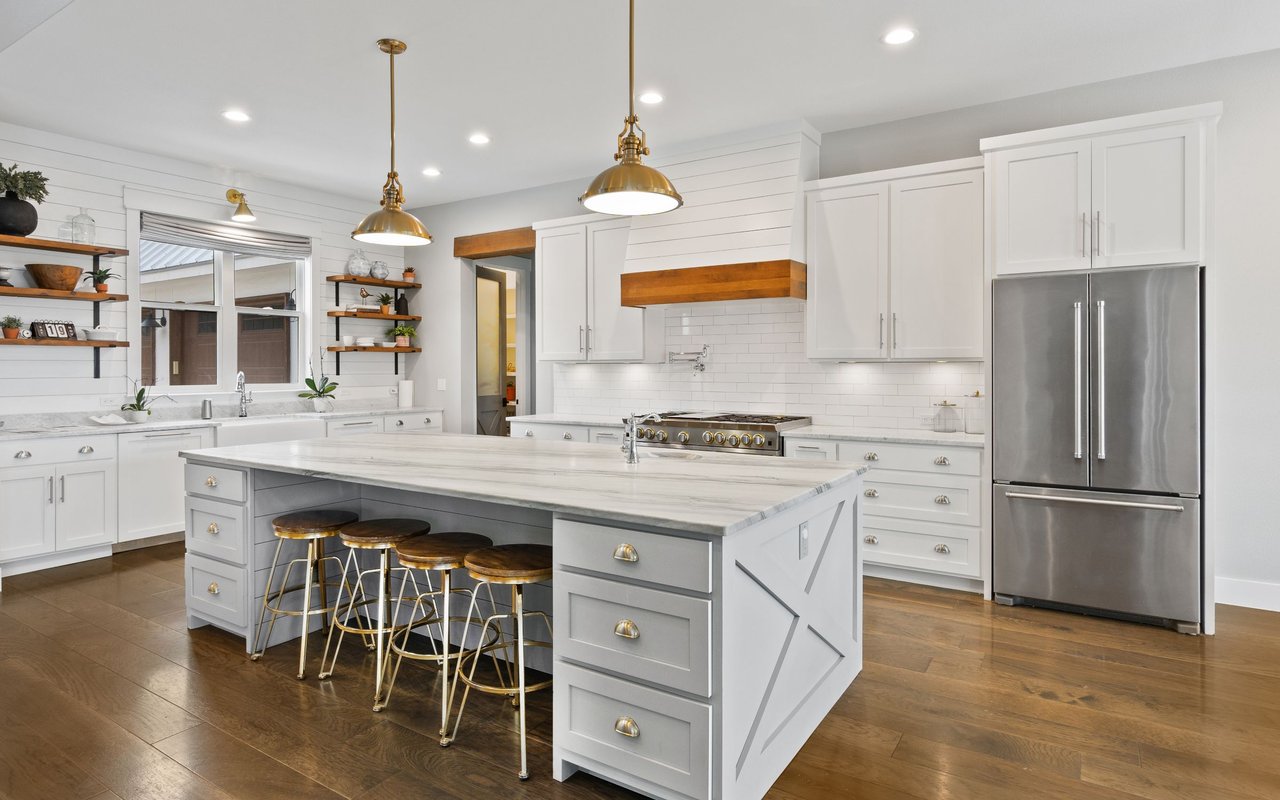
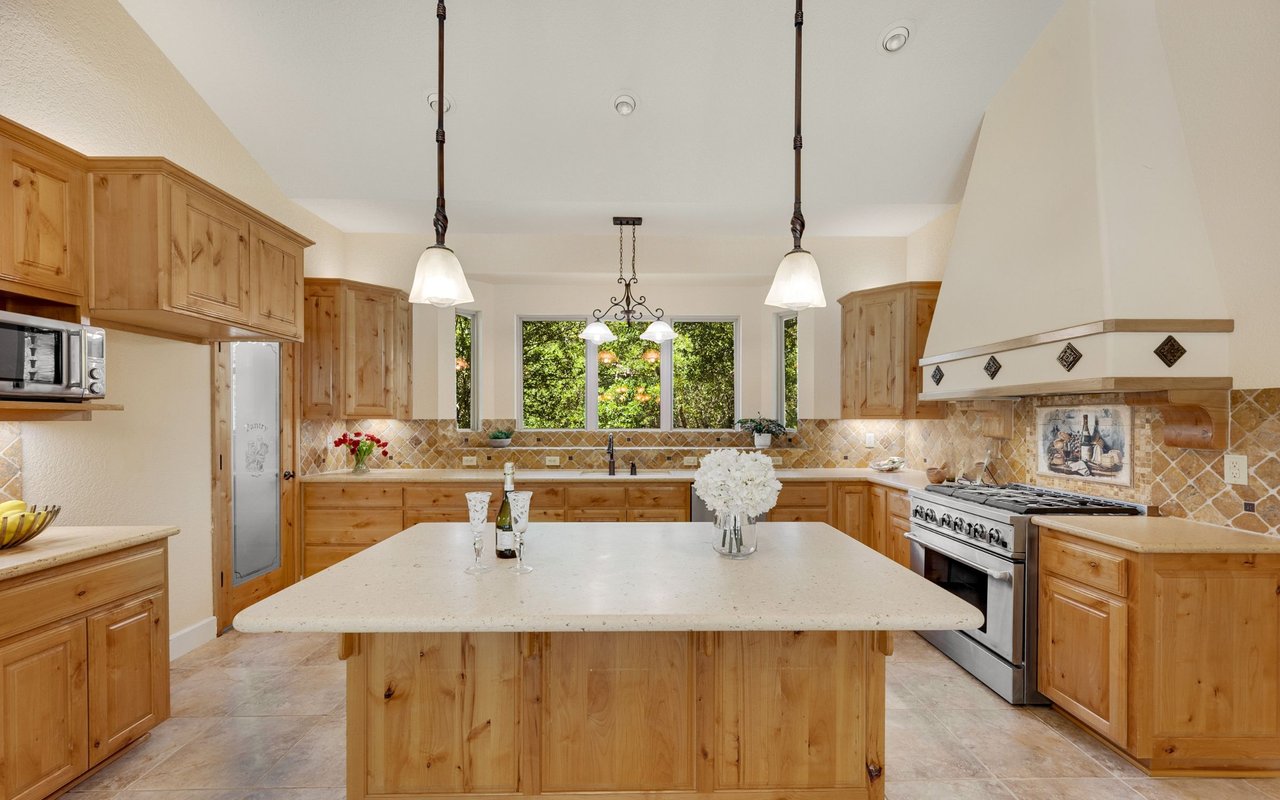
Your first showing doesn’t happen when someone walks through the front door. It happens online. That’s why professional photography is an essential part of our listing strategy. We also provide a floor plan so buyers can understand the home’s layout and flow before scheduling a showing.
Our goal is to answer as many questions and overcome as many potential objections as possible before the buyer ever steps inside.
Today’s buyers have more information available to them than any generation before them.
So we don’t believe in simply putting your home into MLS and waiting. We use digital advertising and targeted online marketing to create additional exposure for our listings and communities.
But we haven’t forgotten what still works incredibly well:
Open houses.
Open houses give buyers who are still in the research phase a low-pressure opportunity to explore a community and discover a home. We’ve watched plenty of people walk through saying they’re “just looking” and leave realizing they may have found their next home. When appropriate and with our seller’s approval, we use open houses along with digital marketing designed to drive additional traffic to them. New school gets their attention. Old school gets them through the door. We believe in both.
For many of my active-adult clients, selling isn’t really the goal. It’s what selling allows them to do next. Downsize. Travel more. Move closer to children or grandchildren. Find a home with less maintenance. Move into another active-adult community. Leave Dallas-Fort Worth entirely. Or simply free themselves from a house that no longer fits the life they’re living.
That means our conversation doesn’t have to begin with: “How quickly can we get your house on the market?”
It can begin with: “What do you want your next chapter to look like?” Then we can work backward and build a real estate plan around getting you there.
If you own a home in a Dallas-Fort Worth 55+ community, active-adult community, retirement community or condominium community, I would be happy to prepare a customized home-value analysis for you. Not an instant computer-generated estimate. A real evaluation. We’ll look at your home, recent sales, current competition, your specific community, its amenities and services, and the factors that I believe today’s buyers will consider when comparing your property to their other options.
Or let’s simply talk. If you’re considering selling or downsizing but you’re not sure where to begin, schedule a complimentary conversation with me. There’s no obligation to list your home. We can talk about where you are now, where you’d like to go next and what I believe your options are for getting there.
Amanda Beames Realty Group
Dallas-Fort Worth Active-Adult & 55+ Real Estate
Because home is more than a house. It’s what’s next.